

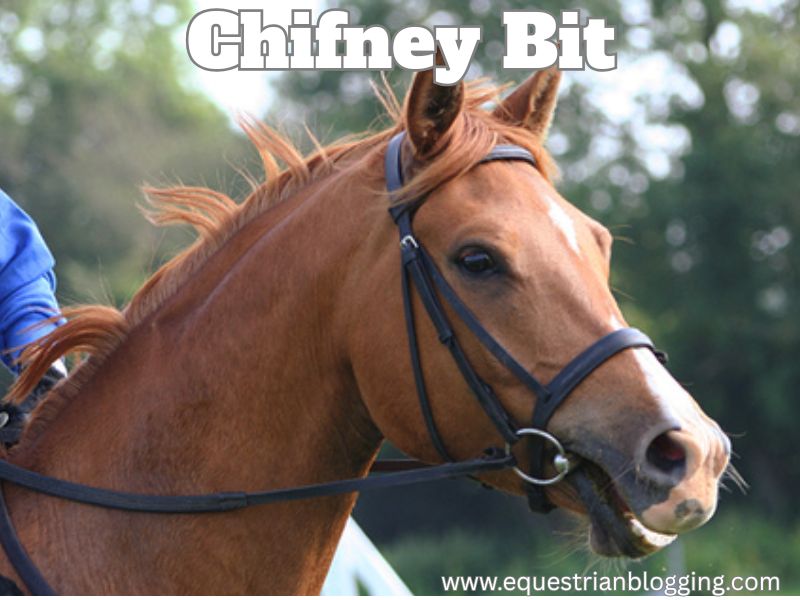
The Chifney bit, sometimes referred to as an anti-rearing or ring bit, is primarily used for leading strong or difficult horses. It provides additional restraint when necessary and can be a valuable tool for handlers.
However, it is not designed for use while riding and should be used with caution as it can be severe. The Chifney attaches to a sliphead or headpiece and has a single loose ring for the lead rope to attach to at the back of the horse’s chin.
The thin bit with a V-shaped mouth can effectively prevent rearing or pulling by digging into the horse’s tongue.
The Function Of A Chifney Bit
The Chifney Bit, also known as an anti-rearing or ring bit, is a valuable tool for handling strong or difficult-to-lead horses. It provides additional restraint with a lead rope attached to the loose ring at the back, making it effective in situations requiring extra control.
Ideal for in-hand use only, the Chifney Bit is not intended for riding purposes.
Designed For In-hand Use
The Chifney bit is specifically designed for in-hand use with horses. It is commonly used when leading or handling horses that are strong-willed or tend to rear. The unique design of the Chifney bit allows the handler to have greater control over the horse while leading, ensuring safety and preventing any unwanted behavior.Enhancing Control And Restraint
One of the main purposes of using a Chifney bit is to enhance control and restraint when leading horses. The Chifney bit is known for its effectiveness in preventing horses from rearing or becoming unruly during leading or handling. It offers an additional level of control, which can be particularly beneficial when dealing with powerful or disobedient horses. The Chifney bit consists of a thin, simple mouthpiece with a single loose ring. The lead rope attaches to this ring, providing the handler with a direct line of control over the horse’s head. This direct control allows for quick and precise corrections when necessary, discouraging any unwanted behavior and promoting obedience. Moreover, the Chifney bit is also a valuable tool for preventing horses from escaping or evading control. The design of the bit ensures that the horse cannot easily slip the bit out of its mouth, providing the handler with increased security and preventing potential accidents or injuries.Summary
In conclusion, the Chifney bit serves a vital function in the world of horsemanship, specifically when it comes to in-hand handling and leading of strong or difficult horses. Its design allows for enhanced control and restraint, ensuring the safety of both the handler and the horse. By using a Chifney bit, handlers can effectively manage and control powerful or disobedient horses, creating a safer and more manageable environment for everyone involved.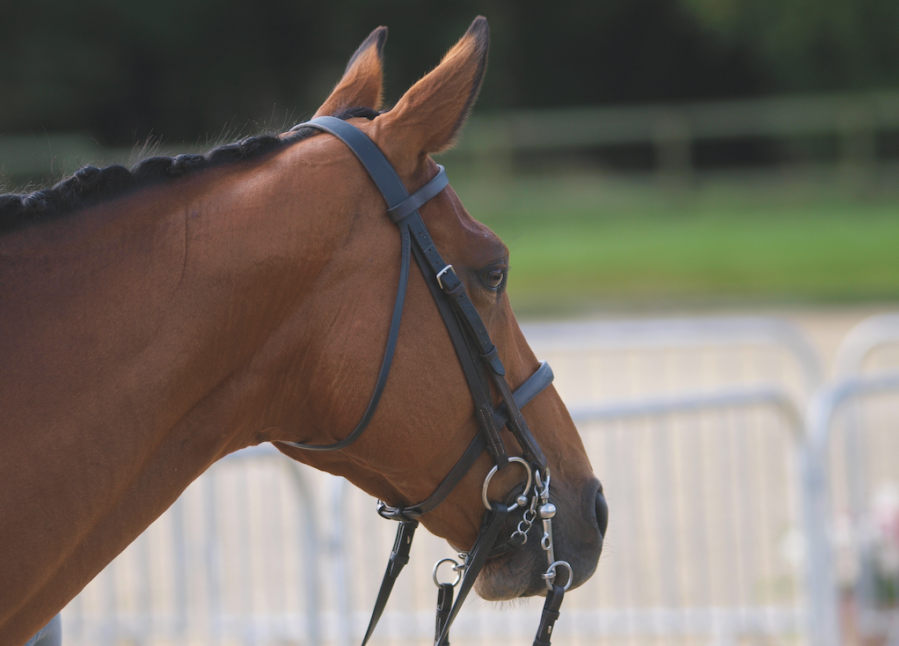
Credit: www.yourhorse.co.uk
Choosing The Right Chifney Bit
The Chifney bit, sometimes referred to as an anti-rearing or ring bit, is a valuable tool for horses that are strong or difficult to lead in-hand. When choosing the right Chifney bit for your horse, there are a few factors to consider. From the materials and construction of the bit to your horse’s behavior, these considerations will help you make an informed decision.
Materials And Construction
When it comes to the materials and construction of a Chifney bit, stainless steel is the most common choice. Stainless steel is durable, rust-resistant, and easy to clean. However, some Chifney bits are also available in solid brass, which can offer a touch of elegance and traditional appeal. It is essential to choose a bit that is well-made, with smooth edges and no sharp points that can cause discomfort to your horse.
Considerations For Horse’s Behavior
Before selecting a Chifney bit, it’s essential to consider your horse’s behavior. Different horses may have varying needs when it comes to the level of control and restraint required. If your horse tends to rear or pull excessively, a Chifney bit with a ported mouthpiece may provide additional control and discourage rearing. On the other hand, if your horse is generally well-behaved and only requires minimal restraint, a Chifney bit with a straight mouthpiece may be sufficient.
Additionally, it’s crucial to ensure proper fit and adjustment of the Chifney bit. The bit should sit comfortably in your horse’s mouth, allowing for the right amount of movement and signaling without causing any pain or discomfort. Pay attention to your horse’s response and adjust accordingly to find the optimum fit.
In conclusion, choosing the right Chifney bit for your horse involves considering the materials and construction of the bit as well as your horse’s behavior. It’s important to prioritize the comfort and well-being of your horse to ensure a positive and effective experience with the Chifney bit.
Using The Chifney Bit Effectively
The Chifney bit is a valuable piece of equipment designed primarily for horses that are strong or difficult to lead in-hand. It provides additional restraint when necessary, making it a useful tool for handlers.
Correct Positioning
When using a Chifney bit, it is crucial to ensure that it is positioned correctly in the horse’s mouth. The bit should sit comfortably in the horse’s mouth to avoid causing any discomfort or injury. It’s important to check for any signs of rubbing or irritation regularly to ensure the horse’s well-being.
Appropriate Handling And Care
Proper handling and care of the Chifney bit are essential for the horse’s comfort and safety. It’s important to clean the bit regularly to avoid any dirt or debris buildup that may cause discomfort to the horse. Additionally, the handler should check for any signs of wear and tear to ensure the bit remains in good condition for effective use.

Credit: issuu.com
Safety Measures And Controversies
The Chifney Bit, also known as the anti-rearing or ring bit, is designed to provide additional restraint for strong or difficult-to-lead horses when handled in-hand. This piece of equipment, with a V-shaped mouth and a single loose ring at the back for the lead rope, can help avoid rearing or pulling during handling.
Stainless steel is commonly used for Chifney bits, which should be utilized with care due to their potential severity.
Considerations For Horse Welfare
When using a Chifney bit, it is essential to consider the well-being of the horse. Proper fitting and adjustment are crucial to prevent any discomfort or harm to the animal.
- Ensure the Chifney bit is made of quality material to avoid any potential injuries to the horse’s mouth.
- Regular checks should be conducted to ensure the bit is not causing any irritation or pressure points.
Debates And Alternatives
In the equestrian community, there are ongoing debates regarding the use of Chifney bits and the potential alternatives available.
- Some argue that Chifney bits can be effective for managing strong or difficult-to-lead horses when used correctly.
- However, critics raise concerns about the potential severity of Chifney bits and advocate for gentler alternatives.

Credit: issuu.com
Frequently Asked Questions For Chifney Bit
What Are Chifney Bits Used For?
Chifney bits, also called anti-rearing or ring bits, are used for horses that are difficult to lead. These bits provide additional restraint when necessary and are not meant for riding. The lead rope attaches to the loose ring at the back of the bit.
Stainless steel is a common material for Chifney bits.
Can You Ride A Horse In A Chifney Bit?
A chifney bit is not designed for riding and should be used with caution. It is primarily used for horses that are difficult to lead, providing additional restraint if needed. The lead rope is attached to the loose ring at the back of the bit.
Stainless steel is the most common material for chifney bits.
Does A Chifney Stop Rearing?
Yes, a Chifney bit can help stop rearing. It attaches to the horse’s headpiece and has a loose ring for the lead rope to attach to at the back of the horse’s chin. The thin, V-shaped mouthpiece can dig into the horse’s tongue if the horse tries to rear or pull, effective for controlling the behavior.
Can You Lunge A Horse In A Chifney?
Yes, you can lunge a horse in a Chifney bit, attaching the lunge line through headcollar rings for stability.
Conclusion
The Chifney bit is an invaluable tool for managing strong or difficult-to-lead horses. Its design and functionality make it an effective means of providing additional restraint when necessary. However, it is important to use the Chifney bit with care and understanding of its potential severity.
Overall, understanding its purpose and correct usage can greatly benefit horse handlers.