

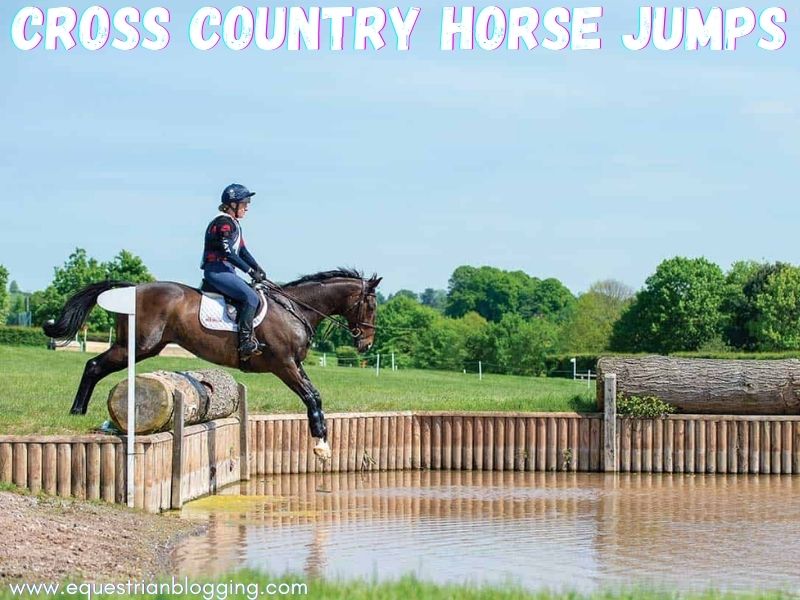
Cross country horse jumps, also known as cross-country jumping, is a phase of the sport of eventing that requires endurance, skill, and agility. It involves navigating a course of obstacles such as water jumps, ditches, and portable jumps.
The jumps can vary in size and difficulty, catering to different levels of riders and horses. Cross-country jumps are designed to test the partnership between the horse and rider, as they must navigate the course with accuracy and speed. Horse breeds such as Irish Sport Horse, Anglo-Arabian, and Dutch Warmblood are often favored for their athleticism and suitability for cross-country jumping.
Building custom cross-country jumps and designing courses is offered by professionals in the industry.

Credit: fi.pinterest.com
Challenges Of Cross Country Horse Jumps
Cross country horse jumps present challenges of varying terrain, natural obstacles, and strategic navigation, testing both horse and rider’s skill, agility, and endurance. The diversity of jumps, including ditches, water obstacles, and portable structures, requires versatility and quick thinking from equestrians to successfully conquer the course.
When it comes to cross country horse jumps, the challenges that riders face are unlike any other equestrian discipline. These jumps are designed to test the endurance, skill, and agility of both horse and rider. Each obstacle presents a unique challenge, requiring careful navigation and precise timing. The importance of cross country obstacles lies in their ability to push the limits of horsemanship and create an exhilarating and thrilling experience for both riders and spectators alike. In the world of cross country horse jumps, there is a wide variety of obstacles that riders must conquer. These jumps come in different shapes, sizes, and levels of difficulty, adding an element of excitement and unpredictability to the competition. Below are some common types of cross country jumps that riders encounter:| Jump Type | Description |
| Key Hole | A jump with a cut-out center, resembling a keyhole shape. |
| Weldon’s Wall | A solid, tall wall obstacle that requires great power and athleticism to clear. |
| Coffin | A combination jump consisting of a ditch, followed by two narrow fences. |
| Banks | Sloping ramps that horses must ascend and descend. |
| Sunken Road | A sunken path with jumps on either side, creating a challenging terrain change. |
| Normandy Bank | A steep bank jump that requires both strength and accuracy. |
| Tiger Trap | A jump with a water feature that tests a horse’s bravery and agility. |
| Chevron | A jump in the shape of a chevron, requiring precision and careful footwork. |
Importance Of Cross Country Obstacles
Cross country horse jumps play a vital role in the sport of eventing, testing the endurance, skill, and agility of both horse and rider. These obstacles are strategically designed to provide challenges that mimic natural terrain, incorporating elements such as banks, ditches, water jumps, and solid obstacles. The importance of cross country obstacles can be seen in two key aspects: as a test of endurance and as a way to showcase the versatility of the horse and rider.
Test Of Endurance
The cross country phase of eventing is a true test of endurance. It pushes the horse and rider to their limits, requiring them to navigate a course that spans several kilometers and includes numerous obstacles. The jumps are not only challenging in terms of height and width but also in terms of the physical demands they impose. The undulating terrain, combined with the need to maintain a steady pace, places a significant strain on the horse’s stamina. Endurance is crucial in order to complete the course within the allocated time while also jumping each obstacle safely and accurately.
Trust between the horse and rider is paramount during this phase, as they tackle various challenges together. The adrenaline rush, speed, and athleticism required make cross country jumps the ultimate test of grit and determination.
Showcasing Versatility
Cross country obstacles also serve to showcase the versatility of both the horse and rider. Unlike pure show jumping, where the focus is solely on clearing fences, cross country requires a wider skill set. Horses must be bold, yet easily adjustable, as they encounter a variety of jumps and combinations. Riders must possess effective communication and quick decision-making skills to guide their horses safely through the course.
These jumps allow competitors to demonstrate their adaptability and problem-solving abilities as they navigate through challenging combinations, such as the Normandy Bank, Sunken Road, or Tiger Trap. Each obstacle tests different aspects of the partnership’s abilities, including scope, accuracy, and bravery. The versatility required in overcoming these obstacles underlines the true athleticism and training behind successful cross country performances.
Conclusion
Cross country obstacles are much more than just physical challenges. They provide an opportunity for horses and riders to display their endurance, adaptability, and versatility. The unique demands of these obstacles test the limits of both horse and rider, making cross country jumps a thrilling and essential component of the sport of eventing.
Types Of Cross Country Jumps
Cross country jumping is an exhilarating equestrian sport that requires both the rider and the horse to maneuver their way through a challenging course filled with different types of jumps. These jumps are designed to test the endurance, skill, and agility of both the horse and rider. Let’s explore the various types of cross country jumps that make this sport both thrilling and demanding.
Natural Jumps
Natural jumps are crafted from elements found in the environment, such as logs, ditches, banks, and water obstacles. These jumps mimic the terrain and obstacles that horses would naturally encounter while riding through varied landscapes. Natural jumps require the horse and rider to navigate through rough and unpredictable terrain, adding an element of unpredictability to the course.
Artificial Jumps
Artificial jumps are man-made and can include a wide variety of structures such as keyhole obstacles, chevrons, sunken roads, coffin jumps, and more. These jumps are designed to challenge the horse’s adaptability and the rider’s ability to control and guide the horse through technical and often complex obstacles. Artificial jumps often require precise and strategic riding to successfully overcome them.
Both natural and artificial jumps are essential components of a cross country course, providing an exciting and challenging experience for riders and horses alike.

Credit: www.worldofshowjumping.com
Considerations For Choosing Cross Country Jumps
When considering cross country horse jumps, it is important to choose jumps that are easy to set up and transport, unique in design, and suitable for different levels of riders. Portable schooling jumps such as Normandy Banks, Tiger Traps, and Sunken Roads are great options to enhance the cross country riding experience.
Safety And Durability
Equestrians must prioritize safety when selecting cross country jumps. Durable materials increase longevity.
Consider choosing jumps that are sturdy and able to withstand the impact of horse jumps. It ensures the safety of both horse and rider.
Portability And Flexibility
Portability is essential for cross country jumps, allowing for easy transport and setup in various locations.
Opt for jumps that offer flexibility in design and height adjustment, catering to different skill levels and course requirements.
Having portable and flexible jumps enhances the versatility and usability of your equipment.
Building And Designing Cross Country Jumps
Creating engaging and challenging cross country jumps is essential for a thrilling equestrian experience. The design and construction of these jumps play a crucial role in testing the endurance and skill of both horse and rider.
Custom-built Obstacles
Custom-built obstacles are tailored to the specific needs of the course, providing unique challenges for competitors. These obstacles can range from small water jumps to towering structures, each requiring precision and agility to navigate successfully.
Course Design And Setup
Effective course design is paramount in creating a challenging yet safe environment for cross country jumps. The strategic placement of obstacles like ditches, banks, and walls enhances the overall excitement and technicality of the course.
XC Jump Types:
- Key Hole
- Weldon’s Wall
- Coffin
- Banks
- Sunken Road
- Normandy Bank
- Tiger Trap
- Chevron
Whether it’s a portable horse jump or a permanent fixture, investing in quality cross country jumps can elevate the experience for riders and spectators alike. Browse through various types of obstacles and create a dynamic course that challenges the bravery and skills of all participants.
For those seeking the ultimate cross country jumping experience, meticulous planning and creative design are key to constructing a course that embodies the spirit of this thrilling equestrian discipline.
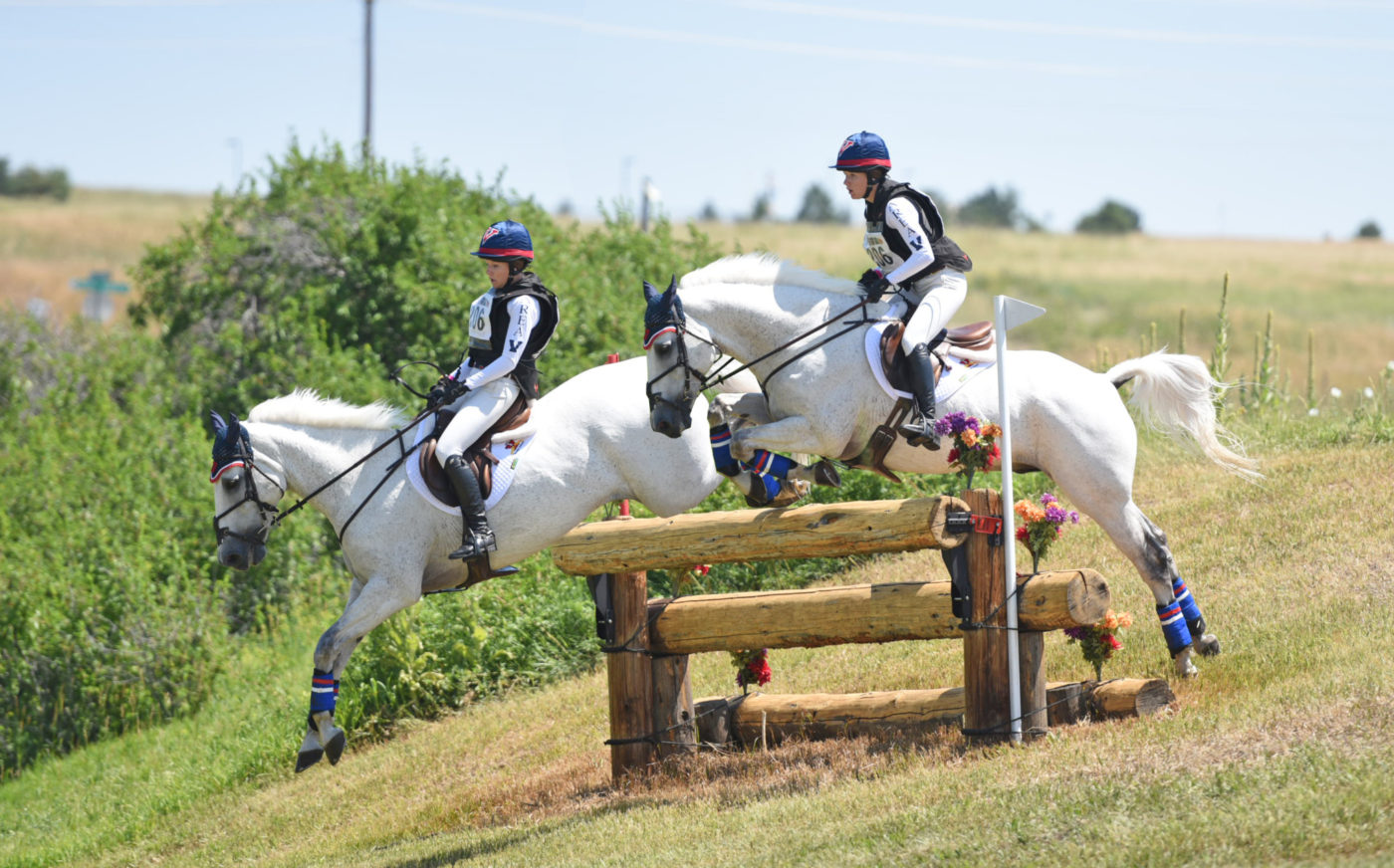
Credit: useventing.com
Frequently Asked Questions Of Cross Country Horse Jumps
What Is Cross-country Horse Jumping Called?
Cross-country horse jumping is called eventing or hunter trials and is one of the three phases of the sport of eventing. It can also be a competition in its own right and is known as cross-country.
How Many Jumps Are In A Cross-country Course?
A typical cross-country course will have around 30 to 45 jumps. These can vary in size and difficulty, testing the horse and rider’s agility and endurance. Cross country equestrian jumping, as part of eventing, requires skill and versatility from both horse and rider.
What Is The Difference Between Jumping And Eventing?
Jumping focuses on clearing individual obstacles, while eventing combines dressage, show jumping, and cross-country phases for comprehensive competition.
What Is The Best Horse For Cross-country Jumping?
The best horse for cross-country jumping are Irish Sport Horse, Anglo-Arabian, Dutch Warmblood, Connemara, Oldenburg, Quarter Horse, Morgan, and Draft Crosses. These breeds excel in endurance and agility.
Conclusion
In essence, cross-country horse jumps demand skill, agility, and endurance. Eventing showcases the versatility of horses, combining dressage, show jumping, and a thrilling cross-country phase. With various obstacles like the Normandy Bank and Coffin, it’s a true test of horse and rider teamwork.
Explore premier equestrian options for top-quality cross-country jumps.