

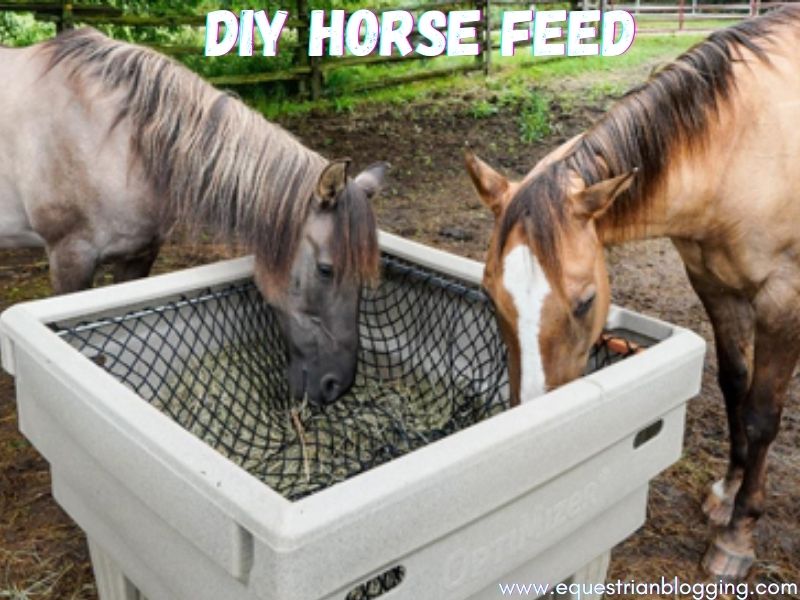
For DIY horse feed, consider a mix of ingredients like alfalfa, beet pulp, and grain. Making your own feed can be a cost-effective way to ensure your horse gets the nutrition they need.
By utilizing components like rice bran, whole flax seed, and coconut oil, you can tailor the feed to suit your horse’s specific dietary requirements. Additionally, natural feed options such as grass, hay, and haylage can be incorporated to mimic their natural diet.
Seeking advice from a qualified nutritionist is essential to ensure the feed meets your horse’s nutritional needs, and proper storage of the feed is crucial to maintaining its quality. Creating a DIY horse feed can be a fulfilling and economical option for conscientious horse owners looking to provide the best nutrition for their equine companions.
Making Diy Horse Feed
Making DIY horse feed can be an excellent way to provide your horse with a nutritious and personalized diet. By crushing, mixing, and creating a mash, you can tailor the feed to your horse’s specific needs, ensuring they receive a balanced and healthy diet.
Crushing The Ingredients
Crushing the ingredients for your DIY horse feed is an essential step in ensuring that the feed is easily digestible for your equine companion. It involves breaking down the grains and other components into smaller, more manageable pieces that your horse can comfortably consume. This can be achieved using a feed crusher, grinder, or hammer mill, which helps to reduce the particle size of the ingredients and enhance their palatability and nutritional value.
Mixing The Ingredients
Once the ingredients are crushed, it’s time to mix them together thoroughly. This process allows you to combine various components such as grains, protein sources, supplements, and additives in the appropriate proportions to create a well-balanced feed. By ensuring a consistent blend of nutrients, you can customize the feed to meet your horse’s specific dietary requirements, whether they need additional protein for muscle development or extra fiber for digestive health.
Creating A Mash
Creating a mash from the mixed ingredients can further enhance the digestibility and palatability of the DIY horse feed. This involves adding water to the mixture and allowing it to soak, forming a moist and easily chewable meal for your horse. The mash can be particularly beneficial for older horses or those with dental issues, as it reduces the need for extensive chewing while ensuring optimal nutrient absorption. Additionally, incorporating ingredients such as soaked beet pulp or alfalfa pellets can further boost the fiber content of the mash, promoting gut health and overall well-being.

Credit: www.smartpakequine.com
Alternative Options To Grain
When it comes to horse feeding, there are plenty of alternative options to grain that can provide essential nutrients and energy for your equine companion. These alternatives offer a balanced diet, ensuring your horse stays healthy and strong without relying solely on grain-based feeds.
Fermentable Fibers
Utilizing fermentable fibers in your horse’s diet can be an effective way to provide energy and support digestive health. Ingredients such as sugar beet pulp and soybean hulls are great options for increasing the calorie level in a grain-free diet. These fermentable fibers aid in maintaining a healthy digestive system and supporting overall well-being for your horse.
Fat Sources
Fat sources play a crucial role in providing energy and promoting a shiny coat for your horse. Including ingredients like rice bran and vegetable oil in your horse’s diet can offer the necessary fat content to support their energy requirements and overall health. These fat sources are an excellent alternative to grain and can contribute to a well-rounded nutritional plan for your horse.
Fiber-based Diet
When it comes to feeding your horse naturally, a fiber-based diet is imperative for mimicking their natural feeding pattern. Grass, hay, haylage, or hay replacements should be the predominant components of their diet, ensuring a high roughage content. This fiber-based approach aims to replicate their natural grazing habits and maintain their overall health and well-being.
Tips For Feeding Horses Cheaply
Discover cost-effective ways to feed horses with DIY horse feed options. Purchase hay directly from farms, focus on roughage like grass or hay, and consult a nutritionist for optimal supplementation. Incorporate grain-free alternatives such as sugar beet pulp and soybean hulls to balance the horse’s diet naturally.
Purchase Hay Directly From The Farm
When it comes to feeding horses on a budget, one of the best cost-effective strategies is to purchase hay directly from the farm. By eliminating the middleman, you can often get hay at a lower price. Additionally, buying in bulk can further reduce costs. Hay is a staple in a horse’s diet and providing high-quality forage is essential for their health and well-being. By sourcing hay directly from the farm, you can ensure that you are getting fresh, nutritious hay without breaking the bank.Slow Down The Feeding Process
Apart from purchasing hay directly from the farm, another tip for feeding horses cheaply is to slow down the feeding process. Horses have a natural grazing behavior and are designed to consume small amounts of food over an extended period. Mimicking this natural behavior can help reduce wastage and save money on feed. Instead of feeding your horse large meals, consider using a slow feeder or spreading their feed out throughout the day. This will not only make their meals last longer but also help prevent digestive issues such as colic.Provide Roughage
Roughage, roughage, roughage! It cannot be emphasized enough how important roughage is in a horse’s diet. Not only is roughage essential for proper digestion, but it also provides mental stimulation and prevents boredom. By providing ample roughage, such as hay or pasture, you can help keep your horse satisfied and reduce the need for expensive concentrates. Roughage is a cost-effective way to bulk up your horse’s diet while providing essential nutrients.Supplementations For Maximization
In addition to a roughage-based diet, certain supplementations can be beneficial for maximizing the nutritional value of your horse’s feed. This can include adding vitamin and mineral supplements to ensure they are getting all the essential nutrients they need. However, it is important to consult with a qualified equine nutritionist before adding any supplements to your horse’s diet. They can help assess your horse’s specific needs and recommend the most suitable supplementation plan to optimize their health and well-being.Consult A Nutritionist
When it comes to feeding horses on a budget, consulting a qualified nutritionist can be a wise investment. A nutritionist will have in-depth knowledge about equine nutrition and can help you create a personalized diet plan that meets your horse’s nutritional requirements while staying within your budget. They can also provide guidance on choosing the right feeds and supplements to ensure your horse’s overall health and well-being. With their expertise, you can make informed decisions about feeding your horse cheaply without compromising their nutrition.Observe Horses In Your Neighborhood
An often overlooked but valuable tip for feeding horses cheaply is to observe horses in your neighborhood. Take note of horses that are well-maintained and healthy, and see what feeding practices their owners employ. You may learn some cost-saving strategies or discover local resources that can help you feed your horse more affordably. Additionally, observing horses in your area can provide valuable insights into the dietary needs of different breeds and help you make informed decisions about your own horse’s diet. By following these tips for feeding horses cheaply, you can provide your horse with a nutritious diet while staying within your budget. Remember to prioritize high-quality roughage, consult a nutritionist for personalized advice, and observe horses in your neighborhood to gather valuable insights. With a bit of creativity and resourcefulness, you can ensure your horse’s nutritional needs are met without breaking the bank.
Credit: www.strathornfarm.co.uk
Credit: strideanimalhealth.com
Frequently Asked Questions On Diy Horse Feed
How Can I Make My Own Horse Feed?
To make your own horse feed, combine ingredients such as grain, starch, soybean, molasses, alfalfa, and beet pulp. Store properly and feed as a mash for a complete meal. Opt for high-fiber, natural options like grass, hay, or haylage to mimic their natural diet.
Consult with a nutritionist for guidance.
How Can I Feed My Horse Cheaply?
To feed your horse cheaply, try purchasing hay directly from the farm. Slow down the feeding process and position the food on the ground. Focus on providing roughage in the horse’s diet. Supplement with other feeds and consult with a qualified nutritionist.
Keep an eye on horses in your neighborhood for cost-saving opportunities.
What Can I Feed My Horse Instead Of Grain?
Instead of grain, you can feed your horse fermentable fibers like sugar beet pulp, soybean hulls, and fat sources such as rice bran and vegetable oil. Their natural diet should include grass, hay, haylage, or hay replacement to mimic their feeding pattern.
Consulting a nutritionist is also helpful.
How Do You Feed A Horse Naturally?
To feed a horse naturally, focus on a fiber-based diet, such as grass, hay, and haylage. Incorporate fermentable fibers and fat sources for calorie levels. Opt for alfalfa, rice bran, vegetable oil, and sugar beet pulp as grain alternatives. Consult a qualified nutritionist for personalized advice.
Conclusion
Making your own DIY horse feed can be a cost-effective and customizable option for horse owners. By incorporating a variety of ingredients such as grains, roughage, and supplements, you can tailor the feed to meet your horse’s specific needs. Remember to consult with a qualified nutritionist to ensure your horse is receiving the proper nutrition.
With careful planning and consideration, you can provide your horse with a healthy and balanced diet that supports their overall well-being.