

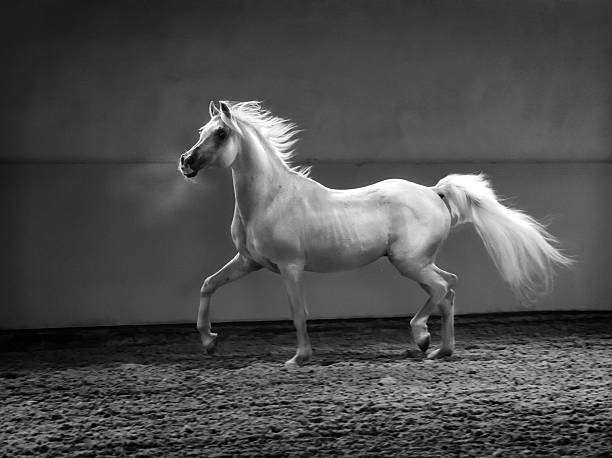
Dressage is often described as the art of horse riding, but that phrase alone does not fully explain what it means. For many people in the United States, dressage looks mysterious, technical, or even intimidating. Horses seem to move as if they are dancing, guided by almost invisible cues. Riders appear calm and still while the horse performs precise movements with balance and control.Equestrian Dressage Meaning: A Complete Guide for Riders and Curious Readers
So what is equestrian dressage, really? Where did it come from, what does it aim to achieve, and why do so many riders devote years to mastering it?Equestrian Dressage Meaning: A Complete Guide for Riders and Curious Readers
This guide breaks down the true meaning of dressage in plain language. Whether you are new to horses, thinking about starting dressage, or simply want to understand what you are watching at a competition, this article will give you a clear and practical understanding of the discipline.
What Does Dressage Mean?
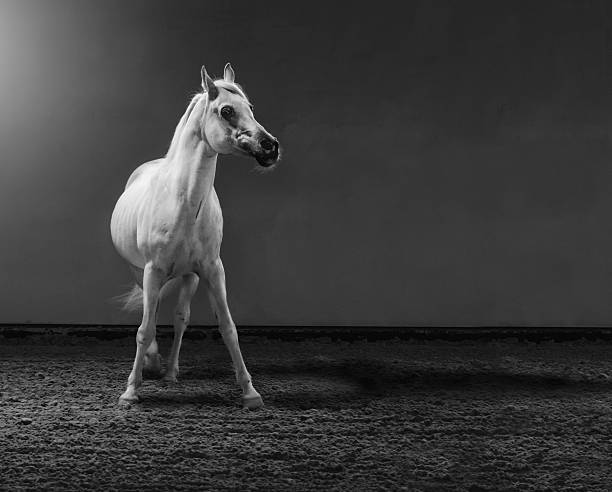
The word dressage comes from the French verb dresser, which means to train or prepare. In the equestrian world, dressage refers to the systematic training of a horse so it becomes obedient, balanced, flexible, and responsive to the rider.
Dressage is not about tricks or forcing a horse into unnatural movements. At its core, it is about developing the horse’s natural athletic ability through careful and progressive training. The goal is harmony between horse and rider.
Equestrian Dressage Meaning: A Complete Guide for Riders and Curious Readers
A well trained dressage horse should look calm, confident, and willing. The movements should appear smooth and effortless, even though they require strength, coordination, and years of practice.Equestrian Dressage Meaning: A Complete Guide for Riders and Curious ReadersEquestrian Dressage Meaning: A Complete Guide for Riders and Curious Readers
Dressage as the Foundation of All Riding
One of the most important things to understand is that dressage is not a niche discipline meant only for elite competitors. It is the foundation of good riding across all equestrian sports.
Whether you ride hunters, jumpers, eventing, reining, or even enjoy trail riding, dressage principles apply. Balance, rhythm, straightness, and responsiveness are essential for every horse, regardless of discipline.
In this sense, dressage is less about competition and more about education. It teaches the horse how to carry a rider correctly and teaches the rider how to communicate clearly and kindly.Equestrian Dressage Meaning: A Complete Guide for Riders and Curious ReadersEquestrian Dressage Meaning: A Complete Guide for Riders and Curious ReadersEquestrian Dressage Meaning: A Complete Guide for Riders and Curious ReadersEquestrian Dressage Meaning: A Complete Guide for Riders and Curious Readers
A Brief History of Dressage
Dressage has roots that go back thousands of years. Ancient civilizations, including the Greeks, wrote about training horses for war using methods that emphasized balance and responsiveness. One of the earliest known texts on horse training was written by Xenophon around 400 BC. His ideas about humane training still influence modern dressage.
During the Renaissance, dressage evolved in European riding schools, especially in France, Austria, and Germany. Horses were trained for military use and ceremonial riding. Movements such as the piaffe and passage were developed to improve strength and agility on the battlefield.
Over time, dressage moved from military training to a competitive sport. It became part of the modern Olympic Games in 1912. Today, dressage is practiced worldwide, from backyard barns to international arenas.
The Purpose of Dressage Training
The purpose of dressage is not to dominate the horse. It is to develop the horse physically and mentally so it can perform willingly and comfortably.Equestrian Dressage Meaning: A Complete Guide for Riders and Curious Readers
A correctly trained dressage horse should demonstrate:
- Relaxation without laziness
- Energy without tension
- Obedience without fear
- Strength without stiffness
Dressage training improves posture, muscle development, and coordination. It also helps prevent injuries by teaching the horse to move in balance and carry weight evenly.
For the rider, dressage develops balance, timing, patience, and awareness. It encourages thoughtful riding rather than forceful riding.Equestrian Dressage Meaning: A Complete Guide for Riders and Curious ReadersEquestrian Dressage Meaning: A Complete Guide for Riders and Curious ReadersEquestrian Dressage Meaning: A Complete Guide for Riders and Curious ReadersEquestrian Dressage Meaning: A Complete Guide for Riders and Curious Readers
Understanding the Dressage Training Scale
Dressage training follows a structured progression often referred to as the training scale. This scale guides riders through the correct order of development.
The six elements of the training scale are:
Rhythm
Rhythm refers to the regularity and consistency of the horse’s gaits. Walk, trot, and canter should have a clear and steady tempo. Without rhythm, everything else falls apart.
Relaxation
Relaxation means the horse is free of tension. This includes physical relaxation in the muscles and mental relaxation in the mind. A relaxed horse moves fluidly and accepts the rider’s aids without resistance.
Connection
Connection describes the elastic contact between the rider’s hands and the horse’s mouth. The horse reaches into the bit willingly, creating a soft and steady feel.Equestrian Dressage Meaning: A Complete Guide for Riders and Curious ReadersEquestrian Dressage Meaning: A Complete Guide for Riders and Curious ReadersEquestrian Dressage Meaning: A Complete Guide for Riders and Curious ReadersEquestrian Dressage Meaning: A Complete Guide for Riders and Curious ReadersEquestrian Dressage Meaning: A Complete Guide for Riders and Curious Readers
Impulsion
Impulsion is controlled energy generated from the horse’s hind legs. It is not speed. It is power directed forward with balance.
Straightness
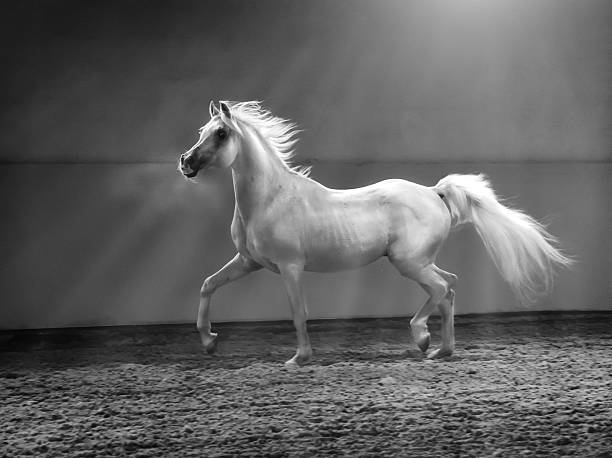
Straightness means the horse moves evenly on both sides of its body. Since horses are naturally crooked, this takes careful training.
Collection
Collection is the highest level of training. The horse carries more weight on its hindquarters, lifting the forehand and moving with greater lightness and precision.
Not every horse or rider reaches full collection, and that is perfectly fine. The scale is a guide, not a requirement list.
Dressage Movements Explained Simply
Dressage includes a wide range of movements, from very basic to highly advanced. Here are a few commonly seen ones explained in plain terms.
- Free walk: The horse stretches forward and down while walking, showing relaxation and trust.
- Leg yield: The horse moves sideways and forward at the same time, responding to the rider’s leg.
- Shoulder in: The horse travels slightly bent, improving balance and engagement.
- Half pass: A more advanced sideways movement with bend and impulsion.
- Piaffe: A highly collected trot in place.
- Passage: A slow, elevated trot with suspension.
These movements are not taught all at once. Each builds on earlier training and physical development.
Dressage Levels in the United States
In the USA, dressage competitions are organized into levels that reflect increasing difficulty. The United States Dressage Federation governs these levels.
The main levels include:
- Introductory Level
- Training Level
- First Level
- Second Level
- Third Level
- Fourth Level
- Prix St. Georges
- Intermediate
- Grand Prix
Lower levels focus on basics like rhythm and balance. Higher levels introduce collection and advanced movements. Riders can progress at their own pace, and many stay at one level for years.
What Happens in a Dressage Test?
A dressage test is a set pattern of movements performed in a standard arena. The rider memorizes the test and rides it from start to finish.
Judges score each movement on a scale from zero to ten. They look at accuracy, quality of movement, and harmony between horse and rider.
The goal is not perfection. Judges reward correct training, softness, and clarity. A calm, obedient horse often scores better than a tense one performing flashy movements.
Dressage Horses and Breeds
While warmbloods are common in upper level dressage, many breeds can succeed in the sport. Thoroughbreds, Arabians, Morgans, Quarter Horses, and even draft crosses participate at various levels.
What matters most is temperament, soundness, and willingness to learn. A good dressage horse is attentive, curious, and comfortable with repetition.
Equipment Used in Dressage
Dressage equipment is simple and functional. Saddles are designed to support a deep, balanced seat. Bridles are plain and understated.
Lower level riders typically use a snaffle bit. Double bridles are allowed only at advanced levels. Spurs and whips are optional and should never replace correct training.
The focus is always on communication, not control.
Dressage for Adult Amateurs
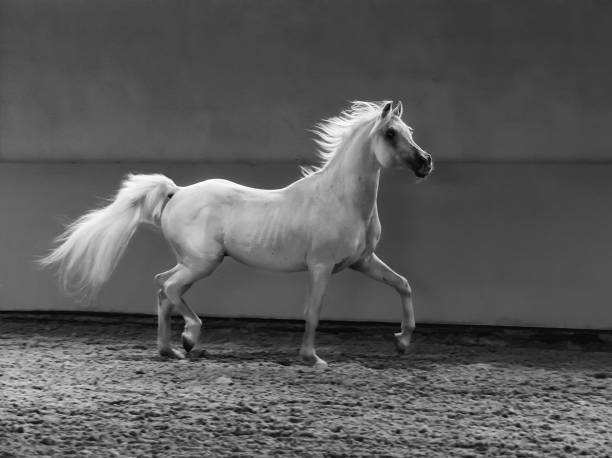
One of the strengths of dressage in the USA is its accessibility to adult riders. Many people start dressage later in life after riding casually or switching disciplines.
Dressage rewards patience, consistency, and feel rather than bravery or speed. Adult amateurs often find it deeply satisfying because progress is measured in small but meaningful improvements.
It is common to see riders in their 40s, 50s, and beyond competing successfully.
Common Misunderstandings About Dressage
Dressage often suffers from misconceptions. Let’s clear up a few.
Dressage is not cruel when taught correctly. The best training emphasizes softness and trust.
Dressage is not only for elite riders. It exists at many levels and welcomes beginners.
Dressage is not boring. While it may look subtle, it requires deep skill and concentration.
Dressage is not about forcing a horse into a frame. True collection comes from strength and balance, not restraint.
Why Dressage Matters for Horse Welfare
Good dressage improves a horse’s quality of life. A well trained horse moves comfortably, understands expectations, and experiences less physical strain.
Dressage teaches riders to listen to their horses. It encourages patience and empathy. These qualities carry over into every aspect of horse care.
Even horses that never compete benefit from dressage based training.
Watching Dressage as a Spectator
If you are watching dressage for the first time, focus on the overall picture rather than individual movements. Ask yourself:
Does the horse look relaxed?
Is the rhythm steady?
Does the rider appear quiet and balanced?
The best performances often look simple. That simplicity is the result of years of careful training.
Getting Started with Dressage
If you are interested in trying dressage, start with a knowledgeable instructor who values correct basics. You do not need an expensive horse or fancy equipment.
Focus on fundamentals like position, balance, and clear communication. Progress comes from consistency, not shortcuts.
Many local barns in the USA offer dressage lessons and schooling shows that welcome beginners.
Final Thoughts on the Meaning of Equestrian Dressage
Equestrian dressage is about partnership. It is the thoughtful development of a horse and rider working together with respect and precision.
At its heart, dressage is not about medals or perfect scores. It is about learning how to move together in balance, trust, and understanding.
Whether you ride competitively or simply want a better relationship with your horse, the principles of dressage offer a clear and rewarding path forward.