

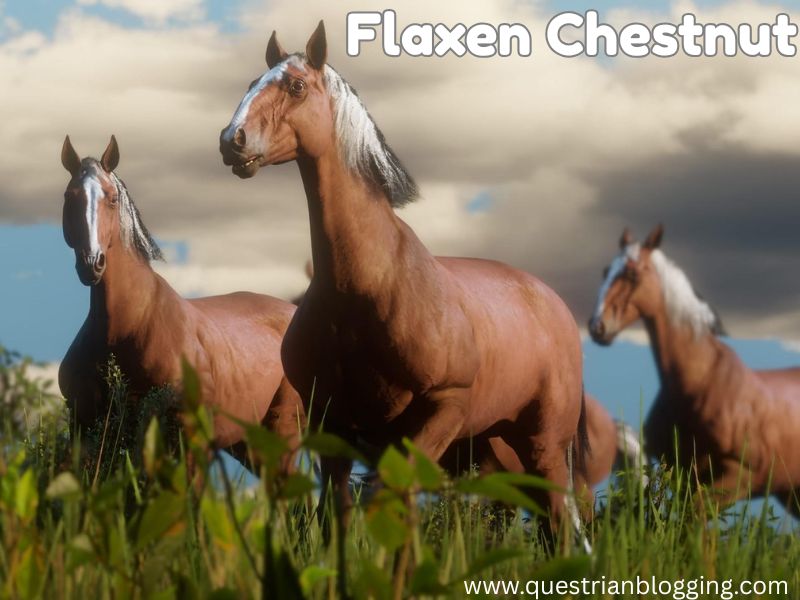
Flaxen Chestnut refers to a genetic trait in which the mane and tail of chestnut-colored horses are noticeably lighter than the body coat color, often appearing as a golden blonde shade. This trait is often seen in breeds such as the Haflinger.
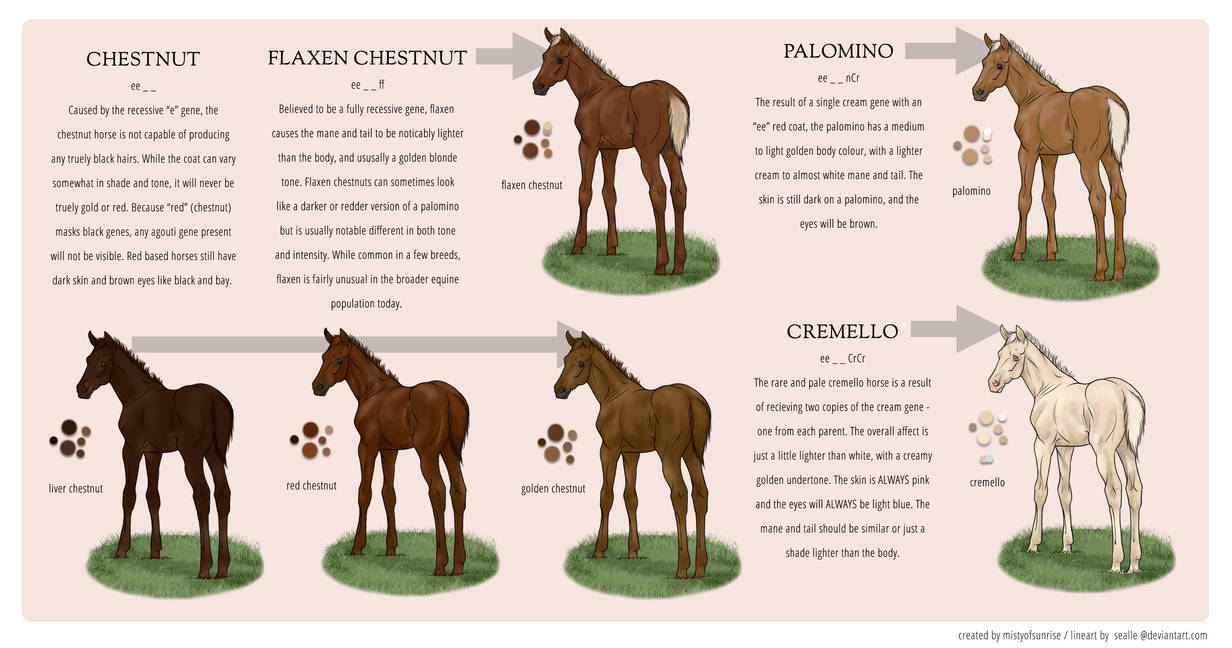
The difference between flaxen chestnut and other color variations like palomino is that flaxen is a gene on its own that lightens the mane, while palomino is the result of the cream gene working on a chestnut coat. It is still unclear what causes flaxen coloration in horses, as the genetic cause is currently unknown.
However, it is believed to be a recessive, possibly polygenic trait.

Credit: www.strathornfarm.co.uk
Characteristics Of Flaxen Chestnut
Flaxen chestnut horses display a striking genetic trait where their mane and tail are lighter than their body coat, often in a golden blonde hue, with a mix of darker and lighter hairs. This coloration is commonly seen in breeds like the Haflinger, adding a unique and distinctive appearance to these majestic animals.
Distinctive Appearance
A flaxen chestnut horse stands out with its unique and eye-catching physical features. This color variation is characterized by a mane and tail that are noticeably lighter than the body coat color, often taking on a golden blonde shade. In some cases, the manes and tails can also display a mixture of darker and lighter hairs, adding to their striking appearance.
To better understand the distinctiveness of flaxen chestnuts, it’s important to differentiate them from palominos. While both color variations have lighter manes, the genetic traits that give rise to these colors differ. Flaxen chestnuts have a specific gene, still unidentified, that lightens the mane of a chestnut coat. On the other hand, palominos result from the cream gene working on a chestnut coat.
Genetic Traits And Variants
Despite their distinctive appearance, the genetic cause of flaxen chestnut is currently unknown in real-life. It is suspected to be a recessive and possibly polygenic trait, involving multiple genes. However, in certain horse breeds such as the Haflinger, the flaxen chestnut coloration is a breed trait.
The difference between flaxen chestnuts and sorrels is notable as well. Sorrel horses have an entirely red base color, while chestnuts often display a brown or ‘liver’ tint. It’s important to note that sorrels can have flaxen manes and tails, so it’s crucial not to confuse them with other red variants.

Credit: www.etsy.com
Differences From Related Colors
Flaxen chestnut horses have a lighter mane and tail than their body coat color, often in a golden blonde shade. This genetic trait distinguishes them from palominos, as flaxen is a gene that lightens the mane of a chestnut, while palomino is a result of the cream gene working on a chestnut coat.
The genetic cause of flaxen is still unknown, suspected to be a recessive, possibly polygenic trait.
Flaxen Chestnut Vs. Palomino
The difference between Flaxen Chestnut and Palomino lies in their respective genetic traits that affect the mane and tail color of chestnut horses. Flaxen is a specific gene known for lightening the mane and tail of chestnut horses, giving them a distinct golden blonde shade. On the other hand, Palomino is the result of the cream gene working on a chestnut coat. This gene gives Palomino horses their characteristic golden or light tan body color. While Flaxen Chestnut showcases lighter manes and tails, Palomino horses exhibit an overall lighter body color. Although both Flaxen Chestnut and Palomino can have similar visual characteristics, it is important to understand the genetic differences that ultimately determine their distinct appearances.Flaxen Chestnut Vs. Sorrel
Differentiating Flaxen Chestnut from Sorrel is primarily related to their base coat colors and the presence of flaxen manes and tails. Sorrel horses have a solid red base coat color, while Flaxen Chestnut coats can vary in shades of brown or even have a liver tint. Furthermore, Sorrel horses can also have flaxen manes and tails, which can sometimes lead to confusion among these red-hued variants. However, it is essential to note that Sorrel encompasses the true red coloration, while Flaxen Chestnut refers to chestnut horses where the mane and tail are noticeably lighter, often with a golden blonde hue. To sum it up, Flaxen Chestnut and Sorrel are two distinct varieties of chestnut horses. While they share some similarities in terms of coat color and the potential presence of flaxen manes and tails, their base coat colors and overall appearance differentiate them from one another.Understanding The Genetic Basis
Understanding the Genetic BasisFlaxen chestnut refers to a genetic trait where the mane and tail of chestnut-colored horses are noticeably lighter than the body coat color, often appearing as a golden blonde shade. Horses of certain breeds such as the Haflinger exhibit flaxen chestnut coloration as a distinctive breed trait. Understanding the genetic basis of this unique coloration has been the subject of ongoing research, delving into the intricate genetic mechanisms that underlie the flaxen phenotype.
Current Research Status
Efforts to unravel the genetic basis of flaxen chestnut have been ongoing, with researchers striving to identify the specific genetic factors responsible for this distinctive coloration. While extensive research has been conducted, the precise genetic determinants contributing to the flaxen phenotype continue to be an area of active investigation in equine genetics.
Theories And Suspected Causes
The genetic cause of flaxen chestnut is currently shrouded in uncertainty, with the trait believed to be a recessive, possibly polygenic (involving multiple genes) characteristic. The exact genetic markers and regulatory elements governing the manifestation of the flaxen phenotype are yet to be fully elucidated. Notably, the gene responsible for flaxen has not been definitively identified and remains an area of theoretical exploration within the field of equine genetics.
Credit: www.deviantart.com
Cultural And Historical Impact
Depictions In Art And Literature
Throughout history, Flaxen Chestnut horses have been portrayed in various artworks and literary works, symbolizing beauty and elegance in the equestrian world.
Role In Equestrian Traditions
The Flaxen Chestnut holds a significant place in equestrian traditions, often associated with nobility and grace in various cultures.
Frequently Asked Questions For Flaxen Chestnut
What Is A Flaxen Chestnut?
A flaxen chestnut refers to a genetic trait in which the mane and tail of chestnut-colored horses are lighter than the body coat color. It appears as a golden blonde shade, with a mixture of darker and lighter hairs. Flaxen chestnut is often seen in certain horse breeds like the Haflinger.
What Is The Difference Between Flaxen Chestnut And Palomino?
Flaxen chestnut is a genetic trait where the mane and tail of chestnut-colored horses are lighter than the body coat color. It is often a golden blonde shade. Palomino, on the other hand, is a result of the cream gene acting on a chestnut coat.
What Is The Difference Between Flaxen Chestnut And Sorrel?
Flaxen chestnut horses have a lighter mane and tail than their body coat color. Sorrel horses have entirely red base color coats.
What Makes A Horse Flaxen?
Flaxen in horses lightens the mane and tail, giving a golden blonde shade distinct from the body coat.
Conclusion
In the world of horse colors, flaxen chestnut is a truly unique and beautiful genetic trait. From the golden blonde shade to the mixture of darker and lighter hairs, this coloration adds a touch of elegance to chestnut horses. Whether you’re a horse enthusiast or simply appreciate the beauty of nature, flaxen chestnut is a color worth knowing and admiring.