

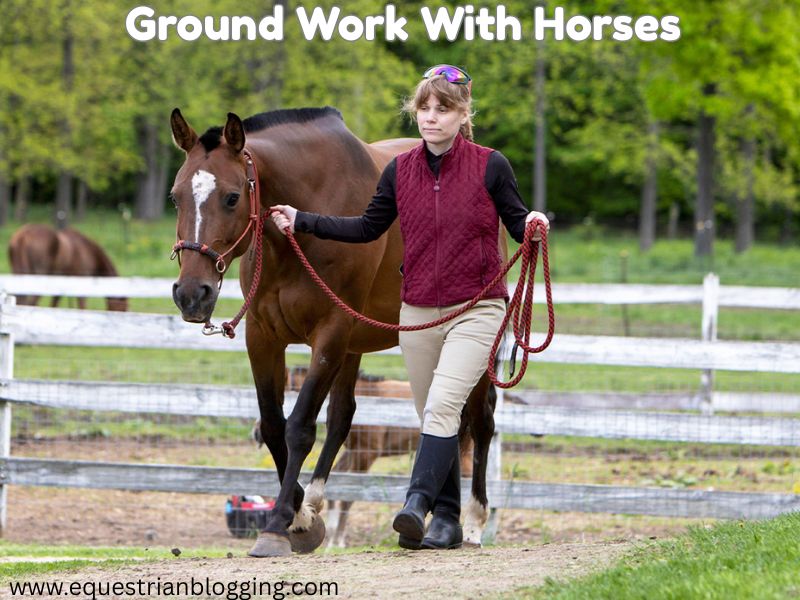
Groundwork with horses refers to any training done with the horse from the ground rather than under saddle, such as in-hand work, lungeing, and long-reining. It can also include techniques like liberty training and horse agility.
Groundwork exercises help build trust, relaxation, focus, and communication between horse and handler. It is a valuable training method that can improve the horse’s obedience, responsiveness, and overall relationship with the handler. Repetition and consistency are key when practicing groundwork, and it can be done in various settings and with different levels of difficulty.
By starting with simple exercises like asking the horse to step back or yield, the groundwork can gradually progress to more complex tasks like navigating obstacles or performing advanced maneuvers.

Credit: www.facebook.com
What Is Ground Work With Horses?
Groundwork with horses refers to any form of training or exercises that are done while working with the horse from the ground, rather than being mounted in the saddle. It involves various techniques such as in-hand work, lungeing, long-reining, liberty training, and horse agility.
Definition Of Ground Work
Groundwork is a training method where horse owners or trainers work with their horses on the ground, using different exercises and techniques to establish trust, respect, and communication with the horse. This type of training is essential for building a strong foundation and preparing the horse for riding.
Types Of Ground Work
Groundwork for horses encompasses a range of activities and exercises. Here are some of the most common types:
- In-hand work: This involves leading the horse from the ground while teaching them basic commands, such as halt, walk, trot, and back.
- Lungeing: Lungeing is the process of attaching a long lead line to the horse’s halter or bridle and asking them to move in a circle around the handler. This helps the horse develop balance, flexibility, and obedience.
- Long-reining: Long-reining involves using long reins to guide the horse’s movements as if they were being ridden. This exercise helps the horse become familiar with rein aids and prepares them for under-saddle work.
- Liberty training: Liberty training involves working with the horse without any physical contact, relying on body language and voice cues for communication. This type of groundwork focuses on building a strong bond and trust between the horse and the handler.
- Horse agility: Horse agility is a form of groundwork that involves navigating the horse through an obstacle course, similar to dog agility. This activity helps improve the horse’s coordination, confidence, and responsiveness to cues.
Each type of groundwork serves a specific purpose and contributes to the horse’s overall training and development. It is important to understand and practice various techniques to ensure a well-rounded and confident equine partner.

Credit: resumaker.ai
Benefits Of Ground Work
Groundwork with horses offers numerous benefits, including building trust, improving communication, and promoting relaxation. These exercises help senior horses stay active and engaged while also developing essential skills for younger horses. By starting with simple tasks and gradually increasing difficulty, ground work fosters a strong horse-human relationship and enhances overall performance.
Improving Relationship With The Horse
Ground work with horses is an essential aspect of horse training that offers numerous benefits for both the horse and the handler. One of the key advantages of ground work is that it helps to improve the relationship between the horse and the handler. By engaging in ground work exercises, handlers have the opportunity to establish a deeper connection with their equine companions.
Ground work provides handlers with the chance to spend quality time with their horses, enabling them to understand the horse’s body language and establish a stronger bond. Through ground work, handlers learn to communicate effectively with their horses, which is crucial for building trust and respect.
Building Trust And Communication
Building trust and communication with your horse is essential for a successful partnership. Ground work serves as a foundation for establishing these crucial elements. By consistently engaging in ground work exercises, handlers can gain their horse’s trust and develop clear communication.
During ground work, handlers use specific cues and commands to guide the horse through various exercises. By understanding and responding to these cues, horses begin to trust their handlers and feel more comfortable in their presence. This trust allows for a safer and more enjoyable experience when riding or working with the horse.
Moreover, ground work helps handlers to understand their horse’s body language and emotions. Through exercises such as lunging or leading, handlers can observe how their horse reacts to different situations and adjust their training methods accordingly. This deepens the communication between the horse and handler, ensuring a strong and harmonious partnership.
Getting Started With Ground Work
When it comes to working with horses, mastering ground work is an essential skill. Whether you’re a beginner or an experienced rider, ground work can help establish trust, build a strong foundation, and improve communication with your equine partner. Before you start working on more advanced exercises, it’s important to get started with the basics. Let’s delve into some fundamental ground work exercises and the ideal training frequency to ensure a strong foundation for you and your horse.
Basic Exercises
Before diving into more complex ground work activities, mastering basic exercises is crucial. These foundational exercises help build trust and communication between you and your horse. Here are a few essential exercises to get you started:
- Leading: Practice leading your horse in a controlled manner, using cues and body language to communicate effectively.
- Backing Up: Teach your horse to back up on command, promoting respect and responsiveness.
- Yielding: Train your horse to yield to pressure, establishing boundaries and respect.
Training Frequency
Consistency is key when it comes to ground work training. Establishing a regular training schedule will yield better results and strengthen your bond with your horse. Aim to practice ground work exercises as often as possible, whether it’s daily, several times a week, or at least once a month. The more frequently you engage in ground work, the stronger your relationship and communication with your horse will become.

Credit: nypost.com
Tailoring Ground Work For Horses
Tailoring ground work for horses involves various training techniques done from the ground to build trust and enhance the horse-rider relationship. From in-hand work to liberty training, these exercises improve communication and focus, ensuring a better experience in the saddle.
Senior Horses
Groundwork for senior horses is essential in maintaining their physical and mental well-being. Tailor exercises to focus on gentle movements and stretches to keep their joints supple.
Young Or Inexperienced Horses
When working with young or inexperienced horses, tailor ground work to build trust and confidence. Start with basic exercises to establish a foundation of understanding and respect.
Advanced Ground Work Techniques
Groundwork with horses involves various training methods that can be conducted from the ground, emphasizing communication and trust between the horse and the handler. Mastering advanced ground work techniques such as liberty training and horse agility can take your bond with your equine partner to a new level.
Liberty Training
Liberty training allows the horse to move freely without physical constraints, focusing on mutual respect and communication. It enhances the horse’s confidence and responsiveness.
Horse Agility
Horse agility involves navigating obstacles on the ground to improve the horse’s coordination and obedience. It promotes mental stimulation and physical fitness.
Frequently Asked Questions On Ground Work With Horses
What Is Ground Work With A Horse?
Groundwork with a horse refers to any training done with the horse from the ground, rather than under saddle. It can include in-hand work, lunging, long-reining, liberty training, and horse agility. This type of training helps build trust and improve the horse’s responsiveness and focus.
How Often Should You Do Ground Work With Your Horse?
Ground work with your horse should be done as often as possible to improve your relationship and develop better riding skills. Practice once a day, a few times a week, or once a month for better results. Groundwork could include in-hand work, lunging, or long-reining.
How Do You Start Groundwork With Horses?
Start groundwork by standing in front of the horse and asking it to step back. Encourage small steps and reward effort. Increase difficulty gradually with obstacles like poles.
What Is Ground Work For Senior Horses?
Groundwork for senior horses involves exercises like stepping back, yielding, and backing up with rewards for effort.
Conclusion
Incorporating groundwork with horses is an essential aspect of building a strong bond and trust. The exercises not only develop the horse’s physical strength but also establish a deeper connection. Consistent practice enhances the relationship between horse and handler, promoting a harmonious partnership.
Groundwork’s versatility ensures a well-rounded equine training regimen.