

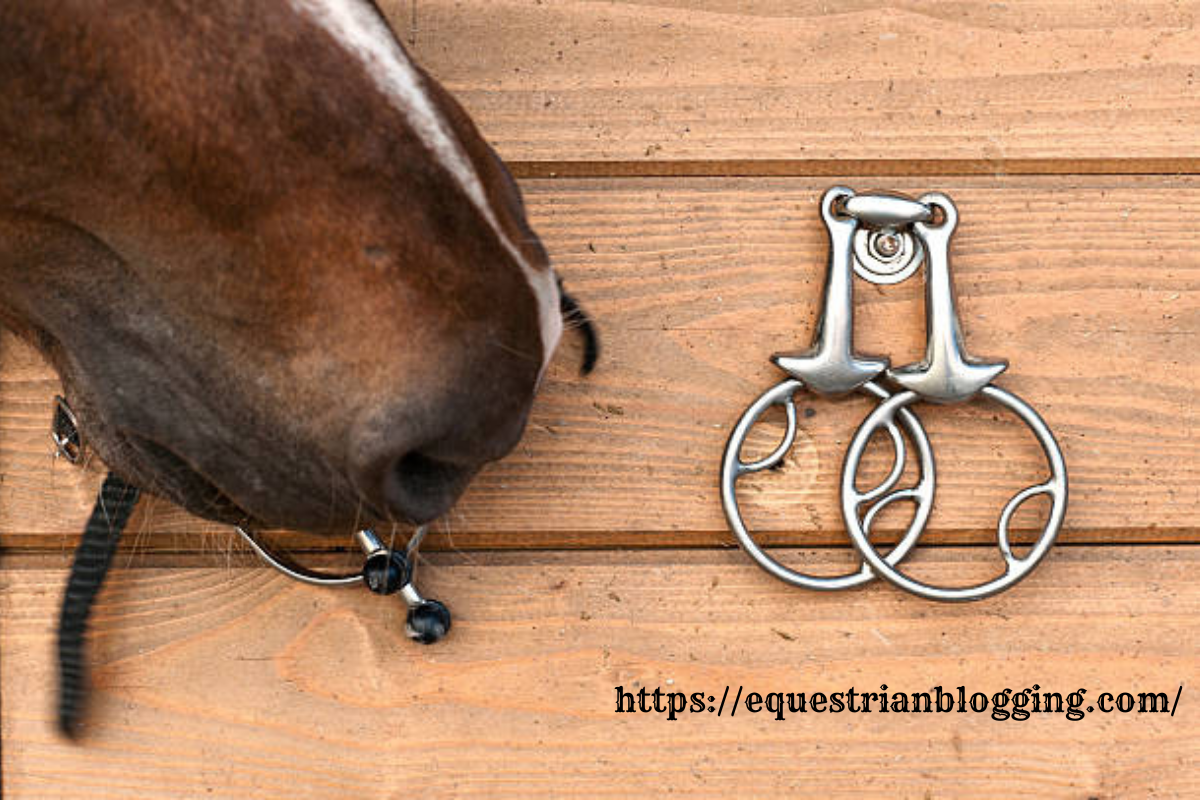
https://carideashub.com/car-jerks-while-driving-at-constant-speed/A hanging cheek snaffle is a direct action bit with a small upper cheek that attaches to the cheekpieces of the bridle and a lower ring that holds the reins.Unlike leverage bits, hanging cheek snaffles, it does not create poll pressure through leverage. Instead, it offers a stabilized mouthpiece position. This stability is the defining feature and the reason many trainers rely on it for schooling and competition.
Although the term Baucher is commonly used, hanging cheek snaffle is the more descriptive name and is preferred in many American tack catalogs. Both terms refer to the same basic design.
Understanding how a hanging cheek snaffle works
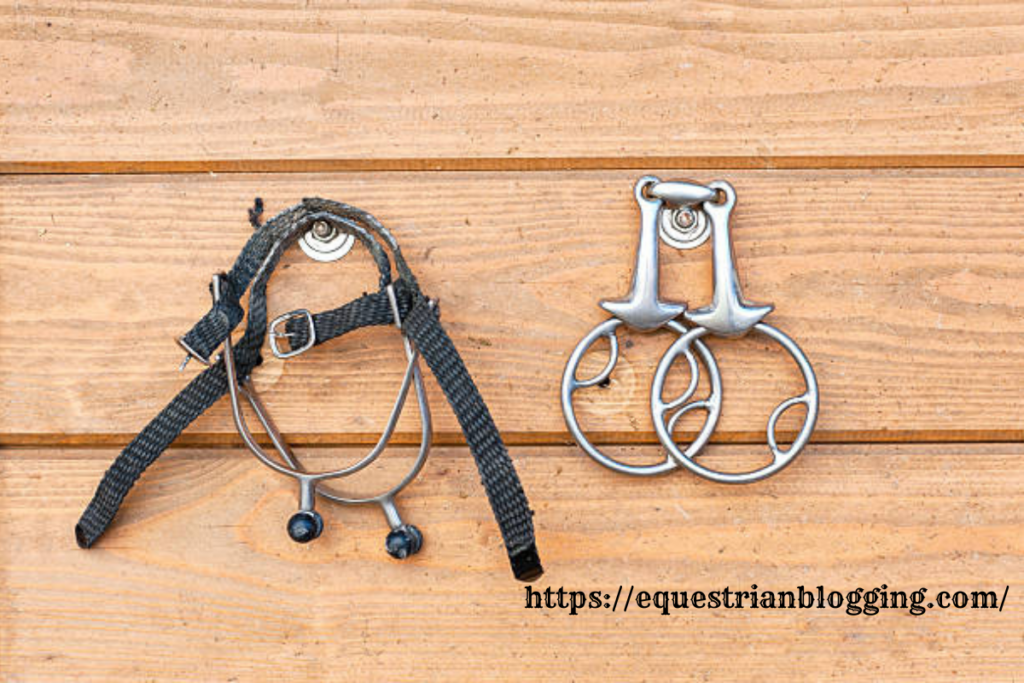
The hanging cheek snaffle works through direct rein pressure, similar to a loose ring or eggbutt snaffle. When the rider takes contact, the pressure is applied evenly to the corners of the mouth and the tongue, depending on the mouthpiece design. hanging cheek snaffles.
The upper cheek attaches to the bridle and lightly suspends the bit in the horse’s mouth. This reduces movement and prevents the bit from sliding down or rotating excessively. Some riders report a mild sense of poll influence due to the fixed cheekpiece, but this is not leverage in a mechanical sense. The effect is best described as stability rather than pressure.
Because the bit remains quiet, many horses relax more readily and accept a steadier contact.
hanging cheek snaffles
Key design features
Hanging cheek snaffles share several consistent design elements, though materials and mouthpieces vary widely.
Upper cheek
The short upper arm connects to the bridle cheekpiece. Its purpose is to suspend the bit and keep it correctly positioned.
Lower ring
The rein attaches to the lower ring. This ring functions like a standard snaffle ring, transmitting direct rein aids.
Mouthpiece
This can be single jointed, double jointed, mullen, or anatomically shaped. The mouthpiece choice has a greater impact on feel than the cheek style itself.
Materials
Common materials include stainless steel, sweet iron, copper alloys, and synthetic options. Each affects salivation, acceptance, and durability.
Benefits of using a hanging cheek snaffle
Stability in the mouth
The primary advantage is reduced movement. Horses that fuss, gape, or play with loose bits often settle in a hanging cheek snaffle.
Consistent contact
For riders developing a steady connection, especially in dressage or flatwork, this bit helps maintain even contact without excessive motion.
Clear communication
Because the bit does not rotate or slide, rein aids are more precise. This can improve transitions and lateral work.
Suitable for sensitive horses
Many sensitive or young horses respond well to the quiet feel, particularly when paired with a mild mouthpiece.
Common disciplines and use cases in the USA
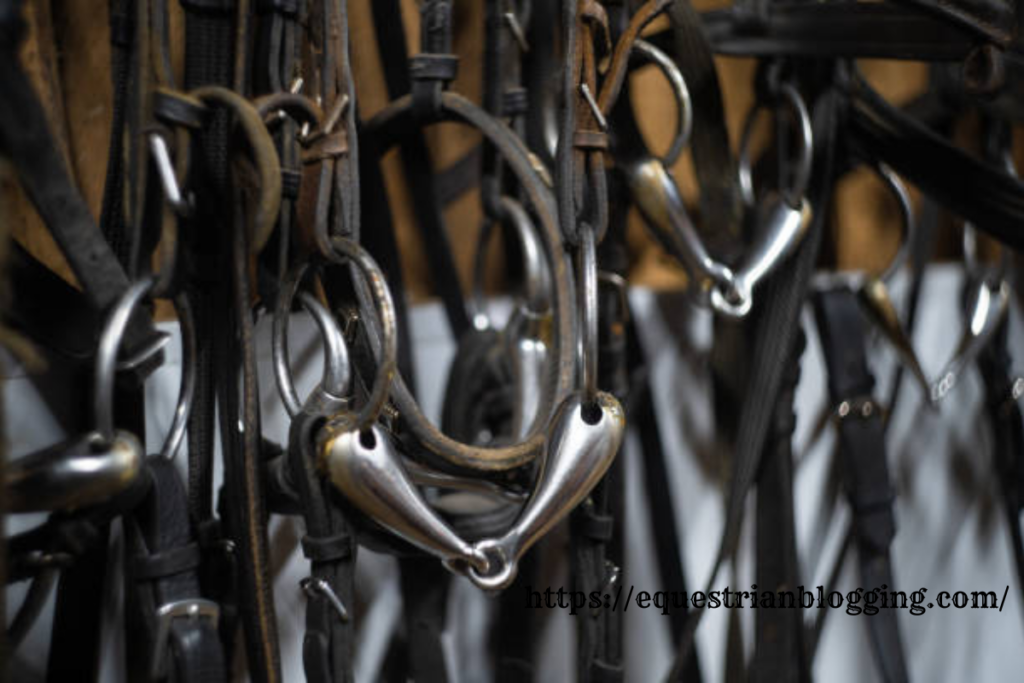
Hanging cheek snaffles are widely accepted across American riding disciplines.
Dressage
They are legal in many national level competitions when fitted with approved mouthpieces. Riders appreciate the stability for connection and outline development.
Hunters
In the hunter ring, a hanging cheek snaffle is a common choice for horses that prefer a still bit and soft contact.
Jumpers
Some jumper riders usethem on the flat to encourage relaxation, though many switch bits for courses.
Eventing
At lower levels, hanging cheek snaffles are frequently used for dressage phases and schooling.
Everyday schooling
Beyond competition, this bit is popular for daily riding, training, and lesson programs.
Comparing hanging cheek snaffles to other snaffles
Loose ring snaffle
Loose ring snaffles allow significant movement, which can encourage salivation but may cause instability. Hanging cheek snaffles offer more control and quietness.
Eggbutt snaffle
Eggbutts are also stable, but they sit slightly lower and can rotate more. Hanging cheek snaffles remain more fixed in position.
D ring snaffle
D rings provide lateral guidance. Hanging cheek snaffles do not offer the same turning support but excel in steadiness.
Full cheek snaffle
Full cheeks assist with steering and young horse training. Hanging cheek snaffles focus more on contact quality than directional aid.
Choosing the right mouthpiece
The cheek style stabilizes the bit, but the mouthpiece determines comfort and severity.
Single jointed
Offers a clear nutcracker action. Best for horses accustomed to jointed bits and riders with educated hands.
Double jointed
Distributes pressure more evenly across the tongue. This is a popular choice for horses with low palates or sensitive mouths.
Mullen or ported
Provides uniform tongue pressure and minimal joint action. Suitable for horses that dislike joints.
Anatomical designs
Contoured shapes follow the mouth anatomy and often improve acceptance and relaxation.
Materials and their impact
Stainless steel
Durable, neutral taste, and low maintenance. Common in lesson barns and competition tack.
Sweet iron
Encourages salivation through oxidation. Requires regular care to prevent excessive rust.
Copper alloys
Increase salivation and warmth. Often combined with stainless steel cheeks.
Synthetic materials
Lightweight and flexible. Some horses accept them readily, though durability varies.
Correct fitting of a hanging cheek snaffle
Proper fit is essential for comfort and effectiveness.
Width
The bit should be about a quarter inch wider than the horse’s mouth on each side. Too narrow causes pinching. Too wide reduces clarity.
Cheekpiece attachment
Ensure the upper cheek lies flat against the face and does not pull the bit upward excessively.
Rein placement
Always attach reins to the lower ring only. The upper cheek is not a rein attachment point.
Signs your horse may benefit from a hanging cheek snaffle
Difficulty maintaining steady contact
Head tossing or bit fussiness
Resistance caused by excessive bit movement
Young or green horses needing consistency
Sensitive horses that prefer a quiet mouthpiece
Potential drawbacks and considerations
No bit is universal, and hanging cheek snaffles are not suitable for every horse.
Limited lateral guidance
They do not offer the steering assistance of full cheek or D ring bits.
Not ideal for very strong horses
Because there is no leverage, riders needing additional control may require a different design.
Rule restrictions
Some competition levels restrict bit types. Always verify current rulebooks before competing.
Training philosophy and rider responsibility
A hanging cheek snaffle should support correct training, not replace it. Soft hands, balanced riding, and progressive schooling remain essential. The bit refines communication but cannot correct poor riding or training gaps.
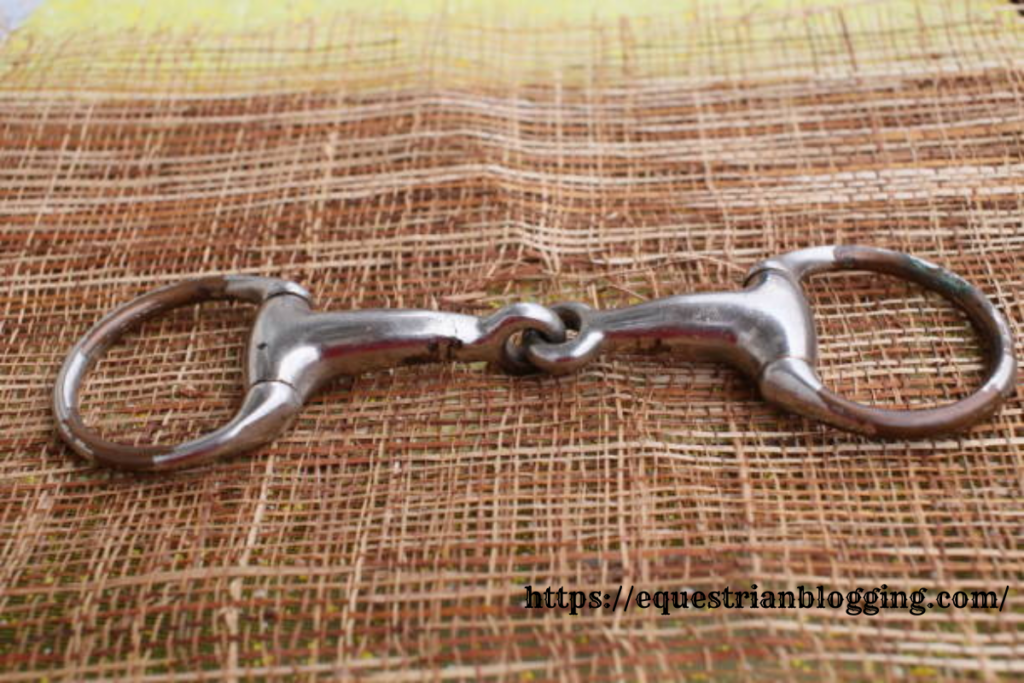
In American training systems, especially those emphasizing classical principles, this bit aligns well with goals of relaxation, rhythm, and contact.
Clean after every ride to remove saliva and debris
Inspect joints and rings regularly for wear
Store in a dry place to prevent corrosion
For sweet iron bits, allow light surface oxidation but avoid deep rust
SEO focused buying tips for US riders
When shopping in the US market, consider these factors.
Discipline approval
Check US federation rules for bit legality.
Horse experience level
Match mouthpiece complexity to the horse’s training stage.
Rider skill
Stable bits amplify rein aids, so rider hands must be educated.
Budget and longevity
Higher quality materials cost more but often last longer and perform better.
Frequently asked questions
Is a hanging cheek snaffle harsh
No. When fitted and used correctly, it is considered mild and horse friendly.
Does it apply poll pressure
There is no true leverage. Any perceived poll influence comes from stability, not mechanical action.
Is it suitable for beginners
Yes, particularly in lesson programs where consistency and clarity are priorities.
Can it be used for young horses
Yes. Many trainers prefer it for starting horses under saddle.
Conclusion
Hanging cheek snaffles offer a balanced combination of stability, clarity, and comfort. For US riders seeking a reliable snaffle that promotes steady contact and relaxed acceptance, this bit remains a strong choice. Its widespread use across disciplines reflects its versatility and effectiveness when matched thoughtfully to the horse and rider.
When selected with the correct mouthpiece, fitted properly, and used within a sound training framework, a hanging cheek snaffle can contribute significantly to improved communication and long term performance.