


Horse clip patterns include full clip, hunter clip, blanket clip, chaser clip, trace clip, Irish clip, and bib clip. These patterns determine the amount of hair that is removed from different parts of the horse’s body, such as the legs, belly, neck, and hindquarters.
Each clip pattern serves a specific purpose based on the horse’s workload, climate, and overall appearance. By choosing the right clip pattern, horse owners can help keep their horses comfortable, maintain their coats, and enhance their performance. Whether it’s for competition, leisure riding, or keeping the horse comfortable during winter, understanding the different clip patterns is essential for proper horse care.
Exploring Horse Clip Patterns
Horse clip patterns are an essential aspect of grooming and maintaining the health of our equine friends. Clipping not only enhances their appearance but also helps to regulate their body temperature during different seasons. In this blog post, we will delve into the world of horse clip patterns, discussing their evolution and the importance of different clipping techniques.
Evolution Of Horse Clipping
Over the years, the practice of horse clipping has evolved significantly. Initially, it was primarily done for practical purposes, such as removing sweat-soaked hair or long winter coats to prevent overheating during intense work or competition. However, it has now become an art form, with various clip patterns being used to achieve both aesthetic and functional goals.
The most common clip patterns used today include:
| Clip Pattern | Description |
|---|---|
| Full Clip | All the coat is removed, including the legs, head, and ears. |
| Hunter Clip | A popular clip for horses in medium to hard work. |
| Blanket Clip | Ideal for horses that are in medium work and turned out during the day when the weather permits. |
| Chaser Clip | Similar to the trace clip, but only half of the neck hair is removed. |
| Trace Clip | Coat is removed from the underside of the belly and the chest, with hair left on the legs for protection. |
| Irish Clip | Half of the neck, shoulders, and belly are removed in a diagonal line. |
| Bib Clip | Coat is removed from the throatlatch and chest area. |
Importance Of Clipping Techniques
Understanding the appropriate clipping technique for your horse is crucial as it can significantly impact their well-being and performance. Each clip pattern serves a specific purpose and is tailored to the horse’s workload, living conditions, and individual needs.
For example, a full clip is suitable for horses involved in intense training or competitions, as it helps prevent excessive sweating and aids in drying off quickly. On the other hand, a blanket clip is more suited for horses in moderate work that have access to shelter during adverse weather conditions.
By utilizing the right clip pattern, horse owners can maintain body temperature regulation, prevent overheating, and minimize the risk of skin issues caused by excessive sweating and moisture retention.
It’s important to consult with a professional groomer or veterinarian to determine the most appropriate clip pattern for your horse, based on factors such as workload, climate, and individual preferences.
Popular Types Of Horse Clips
When it comes to maintaining the coat of your horse, body clipping is an essential part of grooming. Body clipping not only enhances the appearance of your horse but also helps prevent overheating during heavy exercise. There are different types of horse clips, each serving a specific purpose and level of grooming. Let’s take a closer look at some popular types of horse clips:
Full Clip
The Full Clip is the most comprehensive horse clip pattern. It involves removing the coat from the entire body, including the legs, head, and ears. This type of clip is suitable for horses involved in intense competition or work, as it helps to keep them cool and dry.
Hunter Clip
The Hunter Clip is a popular choice for horses engaged in medium to hard work. With this clip, the hair is removed from the body, leaving only a saddle-shaped area of hair from the withers to the loins and a small patch of hair on the legs. This clip pattern provides a balance between keeping the horse warm and maintaining a neat appearance.
Blanket Clip
The Blanket Clip is well-suited for horses in medium work that are turned out during the day when the weather allows. It involves removing the hair from the neck, shoulders, and the top of the hindquarters, leaving the rest of the coat intact. This clip pattern provides coverage where the horse sweats the most, helping to prevent overheating.
Trace Clip
The Trace Clip involves removing hair from the underside of the belly and chest, as well as a section of the hindquarters. The hair is left on the legs for protection and on the head for insulation. This clip pattern is ideal for horses in light to moderate work, striking a balance between maintaining warmth and allowing efficient cooling.
Irish Clip
The Irish Clip removes hair from half of the neck, the shoulders, and the belly in a diagonal line. This clip pattern helps cool the horse while still providing some insulation. It is commonly used for horses in moderate work during the winter season.
Now that you are familiar with these popular types of horse clips, you can choose the one that suits your horse’s needs and level of activity. Remember to consider factors such as the climate, intensity of work, and overall comfort of your horse when deciding on a clip pattern.
Choosing The Right Clip For Your Horse
- Determine the intensity of your horse’s activity level.
- Consider the amount of time your horse spends working.
- Choose a clip pattern that suits your horse’s workload.
- Evaluate the climate and weather conditions in your area.
- Factor in how often your horse is turned out.
- Select a clip that balances protection and cooling based on turnout.
- Familiarize yourself with different clipper blade sizes.
- Know which blade lengths are suitable for specific clip patterns.
- Ensure the clipper blades are well-maintained for effective clipping.

Credit: www.horseandhound.co.uk
Mastering The Clipping Process
Horse clip patterns are an essential part of grooming to keep your equine friend looking their best all year round. Mastering the clipping process requires a thorough understanding of the techniques, patterns, and tips to ensure a smooth and successful experience for both you and your horse.
Preparing The Horse
Before starting the clipping process, it’s crucial to prepare the horse both physically and mentally. Here are some essential steps:
- Brush the horse’s coat thoroughly to remove any tangles or knots.
- Ensure the horse is clean and dry to allow the clippers to glide smoothly over the skin.
- Introduce the horse to the clippers gradually to minimize stress and anxiety.
Techniques For Different Body Areas
When it comes to clipping, different body areas require specific techniques to achieve the desired look. Here are some techniques for different body areas:
- Full Clip: This clip removes all the coat, including the legs, head, and ears, ideal for horses in intense work or hot climates.
- Hunter Clip: A popular clip for horses in medium to hard work, leaving hair on specific areas for protection.
- Blanket Clip: Suitable for horses in medium work, with hair removed from specific areas while leaving the rest for protection.
- Chaser Clip: Similar to the trace clip but with only half of the neck hair removed.
- Trace Clip: Removes hair from the underside of the belly, chest, and neck, leaving hair on the legs and head for protection.
- Irish Clip: Removes half of the neck, the shoulders, and the belly in a diagonal line.
Tips For A Smooth Clipping Experience
Here are some tips to ensure a smooth and successful clipping experience:
- Use sharp clippers to ensure a clean and precise cut.
- Work in a well-lit and quiet area to minimize distractions and keep the horse calm.
- Take regular breaks to allow the clippers to cool and give the horse a chance to relax.
- After clipping, care for the horse’s skin by applying soothing lotions or oils to prevent irritation.
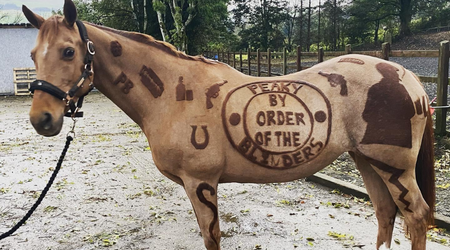
Creative Clipping Designs
When it comes to grooming horses, creative clipping designs give owners the opportunity to showcase their artistic flair. Horse clip patterns go beyond functionality, offering a canvas for unique and intricate designs that can make a striking visual impact. From elegant to elaborate designs, creative clipping allows for endless possibilities to enhance the beauty of the horse.
Exploring Artistic Clipping
Achieving creative clipping designs requires a skilled hand and an understanding of the tools and techniques involved. Through creative clipping, horse owners can take grooming to the next level, creating stunning and innovative designs that set their horses apart.
Tools And Techniques
The art of creative clipping relies on specialized tools such as clippers, scissors, and stencils to bring these designs to life. Techniques such as blending, layering, and precise trimming play a crucial role in achieving detailed and intricate patterns that accentuate the horse’s natural beauty.
Tips For Achieving Intricate Designs
- Start with a well-prepared and clean coat to ensure smooth and even clipping.
- Use stencils and templates to create intricate and symmetrical patterns.
- Employ precision trimming techniques for fine details and clean lines.
- Regular maintenance and grooming to keep the clipped design looking sharp and defined.
Credit: www.lister-global.com

Credit: www.farmhousetack.com
Frequently Asked Questions Of Horse Clip Patterns
What Are The Different Types Of Horse Clips?
Different types of horse clips include Full Clip, Hunter Clip, Blanket Clip, Chaser Clip, Trace Clip, Irish Clip, and Bib Clip.
How Do You Trace A Horse Clip?
To trace a horse clip, remove the coat from the underside of the belly and the chest. Leave hair on the legs and half of the neck. This clip is similar to the chaser clip but only half of the neck hair is removed.
What Is An Irish Horse Clip?
An Irish horse clip refers to a specific type of body clipping pattern for horses. It involves removing half of the neck, the shoulders, and the belly in a diagonal line.
What Does It Mean When A Horse Clips?
When a horse clips, it means trimming the coat. Front legs touching or overlapping is a serious conformation issue.
Conclusion
In a variety of options for horse clip patterns, it’s essential to choose wisely. Understanding the distinctions and specific needs of your horse will lead to a successful clipping experience. Explore the diverse clip styles to find the best fit for your equine companion.
Start grooming today!