

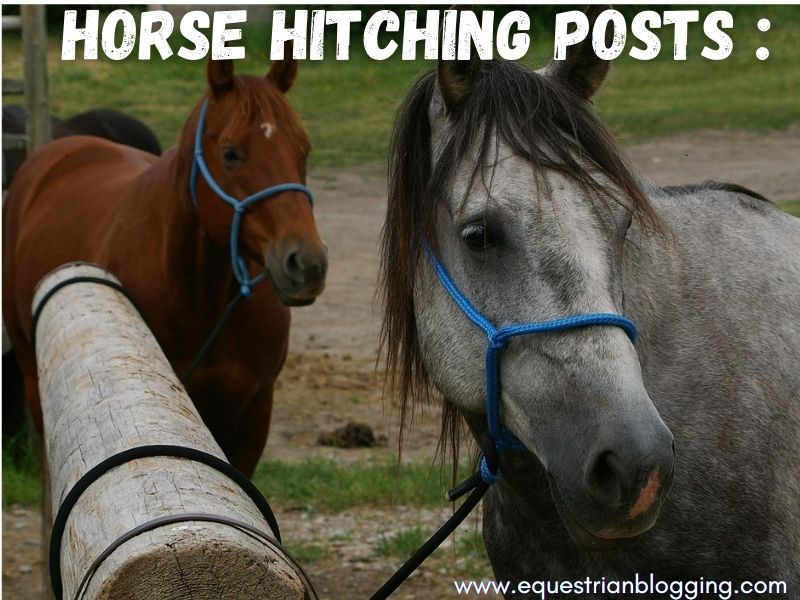
Horse hitching posts are available in various styles, such as cast iron or aluminum, and can be found at different prices on platforms like Amazon, eBay, and Etsy. These posts serve as functional and decorative elements, providing a secure and safe place to tie horses.
It is important to tie horses correctly to a hitching post to ensure their safety.
History Of Hitching Posts
Hitching posts have played a significant role in the history of horse transportation and have seen an evolution in materials and designs over the years. From its origin to the present day, hitching posts have been a common feature in towns and rural areas, providing a secure and convenient place for riders to tie up their horses.
Origin And Evolution
The origin of hitching posts can be traced back to ancient civilizations such as the Egyptians and Greeks, who used stone or wooden posts to secure their horses. In medieval times, hitching posts were made of iron and were commonly found outside inns and marketplaces, serving as a reliable spot for travelers to safely park their horses.
As horse-drawn carriages became popular, hitching posts became more stylish and decorative, often featuring intricate carvings and ornamental designs. In the Victorian era, hitching posts were a common sight in residential areas, where they added a touch of elegance to the streets.
Materials And Designs
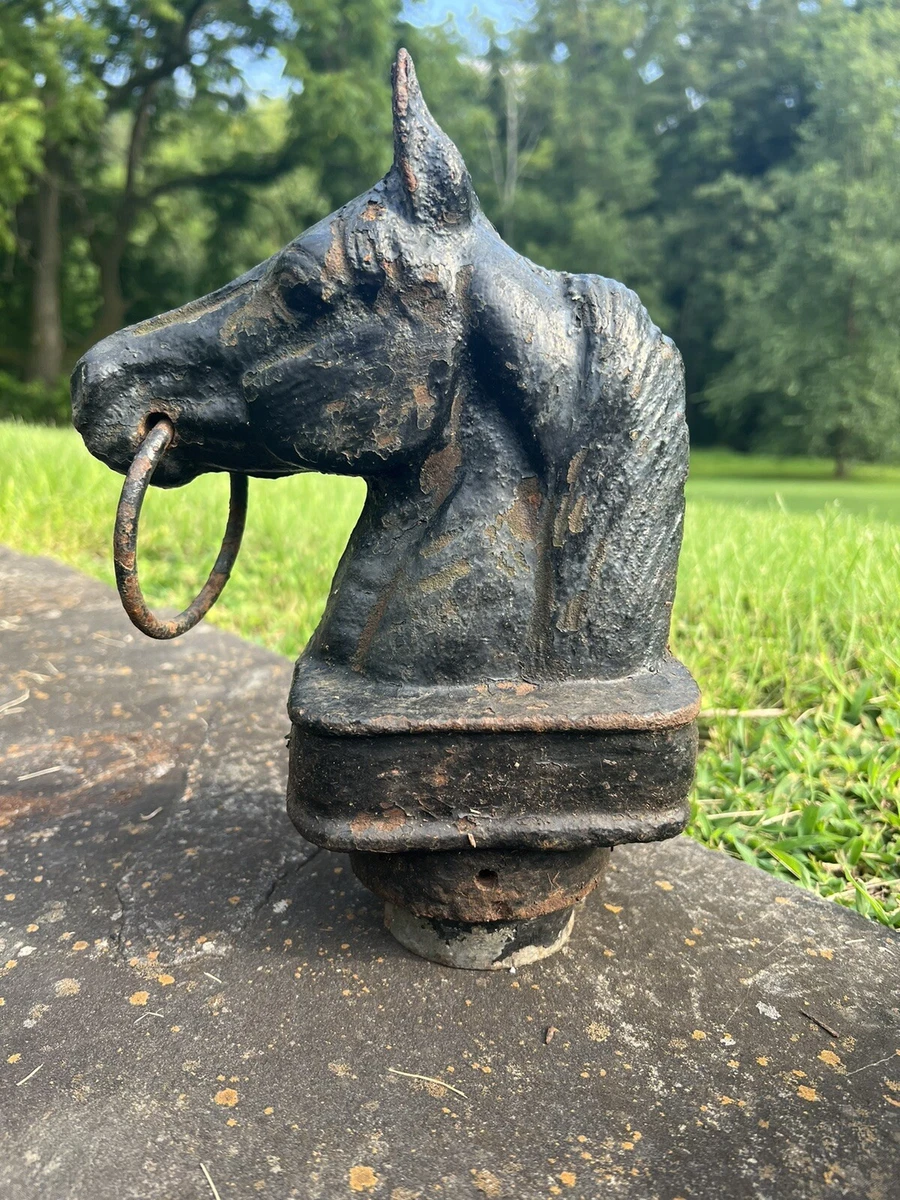
Hitching posts have evolved in terms of materials and designs over time. Initially made of simple wood or stone, they progressed to cast iron and cast aluminum, which offered greater durability and aesthetic appeal. Cast iron hitching posts, with their intricate horse head designs, are particularly sought after by collectors and horse enthusiasts.
Today, modern materials such as stainless steel and synthetic materials like PVC are also used to construct hitching posts, offering weather resistance and long-lasting durability. These materials provide an attractive alternative to traditional materials, without compromising on functionality.
The designs of hitching posts have also diversified, with options ranging from classic Victorian styles to sleek and minimalist designs. Some hitching posts even incorporate additional features such as built-in rings or hooks for securing reins and tack.
Conclusion
The history of hitching posts is a testament to their enduring significance in horse culture. From ancient civilizations to modern times, these posts have provided a secure and practical solution for horse owners and riders. With their evolution in materials and designs, hitching posts continue to be a stylish and functional addition to any equestrian setting.
Credit: www.ebay.com
Types Of Hitching Posts
Horse hitching posts come in various styles such as cast iron, Victorian, or aluminum, with prices ranging from $42 to $6,500. These functional and decorative posts can be found online or at furniture stores, providing a safe and stylish way to tie up your horses.
Traditional Vs. Modern
When it comes to choosing a hitching post for your horse, you have two primary options: traditional or modern. Traditional hitching posts often feature a classic design, such as a cast iron horse head, that adds a touch of nostalgic charm to your outdoor space. These types of hitching posts are popular among horse enthusiasts who appreciate the rustic aesthetic and historical significance they bring.
On the other hand, modern hitching posts offer a sleek and contemporary look. These hitching posts are typically constructed using materials like aluminum or stainless steel, which provide durability and resistance to weather conditions. Additionally, modern hitching posts may feature innovative designs, such as adjustable heights or integrated hooks, making them more versatile and user-friendly for horse owners.
Functional Vs. Decorative
When choosing a hitching post, you also have the option to prioritize function or aesthetics. Functional hitching posts are designed with practicality in mind. They are sturdy and capable of securely holding your horse while grooming or tacking up. They may include features such as tie rings or cross-ties for added convenience.
On the other hand, decorative hitching posts are primarily meant to enhance the visual appeal of your outdoor space. These posts often have intricate designs and decorative elements, such as scrollwork or ornate patterns. While they may still serve the purpose of safely hitching your horse, their main focus is to add an artistic touch to your surroundings.
Choosing The Right Hitching Post
When it comes to selecting a hitching post for your horses, it is important to consider several factors to ensure the safety, durability, and maintenance of the post. Choosing the right hitching post can contribute to the overall well-being of your horses and the longevity of the post itself. To make an informed decision, it is crucial to take into account the following considerations for horse safety and factors for durability and maintenance.
Considerations For Horse Safety
Horse safety should be a top priority when choosing a hitching post. Consider the following aspects to ensure the safety of your horses:
- Height: Opt for a hitching post with an appropriate height to prevent the horse from getting tangled or injured.
- Smooth Surfaces: Select a hitching post with smooth surfaces to minimize the risk of abrasions or injuries to the horse.
- Sturdy Construction: Ensure that the hitching post is built with strong materials to withstand the force exerted by the horse.
- Visibility: Choose a hitching post that is easily visible to avoid accidents and allow for supervision.
Factors For Durability And Maintenance
When it comes to durability and maintenance, the longevity of the hitching post is vital. Consider the following factors to ensure its durability and ease of maintenance:
- Material Quality: Opt for high-quality materials, such as cast iron or aluminum, that are resistant to rust and corrosion.
- Easy to Clean: Choose a hitching post that is easy to clean and maintain, which contributes to its longevity.
- Weather Resistance: Select a hitching post designed to withstand various weather conditions to prevent deterioration over time.
- Regular Inspection: Ensure the hitching post is regularly inspected for any signs of wear and tear, and perform timely maintenance to upkeep its condition.

Credit: www.grit.com
Diy Hitching Post Installation
When it comes to adding a touch of charm and functionality to your outdoor space, installing a DIY horse hitching post can be a rewarding project. Not only does it provide a convenient spot to secure your horse, but it also adds a rustic and decorative element to your property.
Step-by-step Guide
- Choose a suitable location for the hitching post.
- Mark the area and dig a hole for the post.
- Insert the post into the hole and secure it with concrete.
- Attach the horse head or other decorative elements to the top of the post.
- Add any finishing touches or paint to personalize the hitching post.
Required Tools And Materials
| Tools | Materials |
|---|---|
| Sledgehammer | Wooden post |
| Shovel | Concrete mix |
| Level | Decorative horse head |
| Screwdriver | Paint (optional) |
Proper Techniques For Tying Horses
When tying your horse to a hitching post, it is crucial to use the right technique to ensure the safety and comfort of your equine companion. Follow these guidelines for proper tying:
- Choose a sturdy and well-maintained hitching post with a secure tie-up ring or hook.
- Approach your horse calmly and confidently before tying them up.
- Secure the lead rope around the hitching post in a quick-release knot.
- Ensure the rope is not too loose or too tight, allowing your horse to move their head comfortably but preventing them from getting free.
- Avoid tying the rope too high or too low on the hitching post to maintain a balanced position for your horse.
To keep your horse safe and comfortable while tied to a hitching post, remember the following:
- Never tie your horse with a rope that can easily break or cause injury.
- Regularly check the condition of the hitching post and tie-up equipment to prevent accidents.
- Avoid leaving your horse unattended while tied up to prevent them from panicking or becoming agitated.
- Provide access to water and ensure the area around the hitching post is free from hazards that could harm your horse.

Credit: www.facebook.com
Frequently Asked Questions For Horse Hitching Posts
How Tall Should A Hitching Post Be For Horses?
The recommended height for a hitching post for horses is around 4 to 5 feet.
How Do You Hitch A Horse To A Post?
To hitch a horse to a post, tie the lead rope securely around the post using a quick-release knot. Make sure the knot is at chest height for the horse and that the rope is not too tight or too loose.
Always supervise the horse while tied to prevent accidents.
What Is The Name Of The Post You Tie A Horse To?
A hitching post is the name of the post you tie a horse to for safety and control.
What Are Horse Posts Called?
Horse posts are called hitching posts used for tying horses safely outdoors.
Conclusion
Choosing the right horse hitching post is essential for the safety and well-being of your equine friends. With various options available in terms of material, style, and price, it’s important to consider your specific needs and budget. Whether for functional or decorative purposes, a well-selected hitching post can enhance the look of your equestrian space while providing a secure spot for tethering horses.