

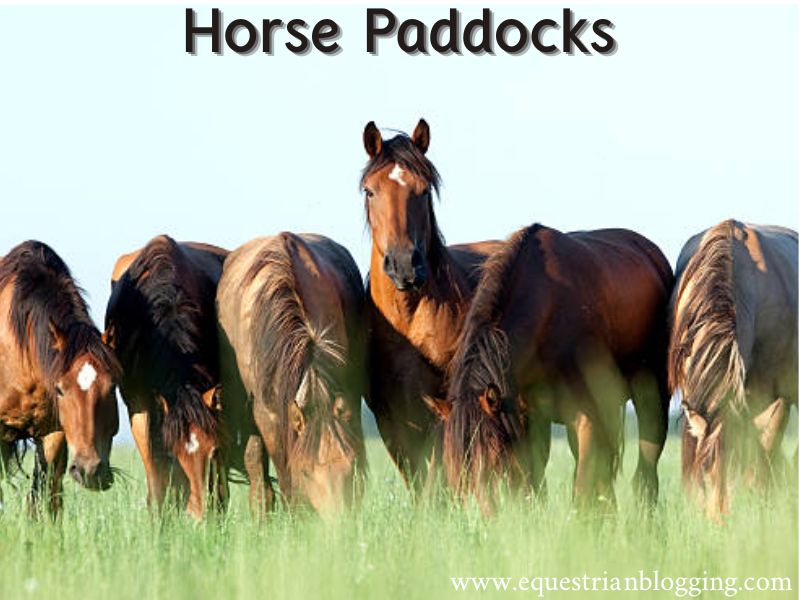
Horse paddocks in Austin, Texas, United States provide ample space for horses to graze, exercise, and find shelter. However, under modern management practices, horses are often kept in stalls with limited turnout or on small paddocks.
A Paddock Paradise system allows domestic horses to live together on a track system, encouraging movement to find food, water, and shelter. All-weather paddocks, also known as “heavy use areas,” can be constructed to provide mud-free management and optimal footing for horses.
Proper pasture management, including regular poo-picking, weed control, and fertilizing, helps maintain the palatability and health of the paddocks. Overall, horse paddocks play a crucial role in the well-being and quality of life for horses.

Horse Paddocks : Maximizing Grazing Efficiency
Understanding Horse Paddocks
Horse paddocks are crucial for grazing and exercise. Understanding the size, confinement, and management is important for the well-being of horses. Implementing a Paddock Paradise system encourages movement and natural behaviors for domestic horses, ensuring a healthy and enriching environment.
What Is A Paddock In Horses?
A paddock refers to a fenced-in area specifically designed for horses. It serves as an essential space where horses can exercise, graze, and socialize. A paddock provides a safe and controlled environment for horses, allowing them to roam freely while still remaining within a designated space.
Can A Horse Live In A Paddock?
Under modern management practices, horses are often kept in stalls with limited turnout or are maintained in small paddocks where they stand in one area to graze for long periods. However, a Paddock Paradise allows domestic horses to live together on a track system, which encourages movement to find food, water, and shelter. This setup mimics their natural behavior and promotes a healthier lifestyle for horses.
What Is A Paddock At A Horse Track?
A paddock at a horse track refers to an area where horses are saddled and paraded before being taken onto the track for a race. It serves as a preparation area for both the horses and the jockeys, allowing them to warm up, be inspected, and make any necessary adjustments before the race begins. Additionally, on a farm, a paddock is a fenced-in field where horses can run, eat grass, and enjoy the company of other horses.
Constructing All-weather Paddocks
Constructing all-weather paddocks is essential for horse owners to provide a mud-free and safe environment for their horses to roam and graze. These heavy use areas ensure proper drainage, include suitable surface footing, and utilize geotextile fabric to prevent erosion and compaction.
Introduction To All-weather Paddocks
All-weather paddocks, also referred to as “heavy use areas,” are an essential component of horse paddocks that ensure year-round usability. By constructing these paddocks with the appropriate surface footing layer, you can combat the challenges of mud and create a safe, inviting space for your horses to roam and graze. Additionally, proper pasture management techniques can further enhance the functionality and longevity of your all-weather paddocks.
Surface Footing Layer
The surface footing layer is a critical aspect of constructing all-weather paddocks. It plays a significant role in providing traction, cushioning, and stability for your horses’ hooves. By opting for a well-designed surface footing layer, you can prevent excessive mud accumulation, which not only affects your horse’s comfort but can also lead to various hoof problems. Consider using geotextile fabric as a base layer to promote drainage and prevent soil compaction, followed by a layer of gravel or coarse sand to ensure proper drainage and provide grip for your horses.
Pasture Management For Horse Paddocks
Effective pasture management is key to maintaining ideal conditions within your all-weather paddocks. By implementing the following practices, you can ensure the longevity and sustainability of your horse’s grazing area:
- Establish a rotational grazing system to allow for vegetation recovery and prevent overgrazing.
- Maintain proper pasture fertility by regularly testing and amending the soil to provide essential nutrients for healthy grass growth.
- Monitor and control weed growth to promote a nutritious and safe grazing environment for your horses.
- Consider implementing strip grazing techniques to manage pasture utilization effectively and prevent excessive grazing in specific areas.
- Regularly inspect and maintain the fencing surrounding your paddocks to ensure horse safety and prevent escapes.
By adhering to these pasture management strategies, you can help preserve the quality of your horse paddocks and provide your equine companions with a healthy grazing experience, both in the all-weather paddocks and the surrounding areas.
Maintaining Horse Paddocks
Maintaining horse paddocks is crucial for the health and well-being of horses. Regularly mowing, removing manure, and providing proper drainage can help prevent mud and encourage healthy grass growth, ensuring a safe and comfortable environment for horses to graze and play.
Maintaining Horse Paddocks
Horse paddocks are an essential part of equine care. Whether for turnout, exercise, or grazing, it’s crucial to maintain these areas to ensure the health and well-being of your horses. From poo-picking the paddock to topping and weed control, there are several tasks involved in upkeep.
### Poo-picking the paddock
Poo-picking, the removal of horse droppings, is vital for maintaining a clean and healthy paddock environment. Regularly removing manure not only improves the aesthetic appeal but also reduces the spread of parasites and helps prevent the formation of uneven ground.
### Topping and weed control
Periodically topping the paddock, cutting down any tall grass and weeds, helps maintain a well-manicured and accessible grazing area for the horses. It also aids in controlling weed growth, promoting healthy grass growth, and preventing the paddock from becoming overgrown and unsightly.
### Fertilizing
Fertilizing the paddock with suitable nutrients can significantly enhance the quality of the grazing area. However, it’s crucial to use the right type and amount of fertilizers to avoid over-fertilization, which can be harmful to the horses and the environment.
By focusing on these essential maintenance tasks, you can ensure that your horse paddocks provide a safe, healthy, and enjoyable environment for equine activities.
Choosing The Right Size Paddock System
When determining the size of a paddock for horses, consider the number of horses and their size to ensure adequate space for movement and grazing.
- Terrain: Choose a suitable location with proper drainage to prevent water accumulation.
- Fencing: Opt for sturdy fencing to ensure the safety and security of the horses.
- Shelter: Provide shelter to protect horses from adverse weather conditions.
- Grass: Natural and soft footing material that allows horses to graze comfortably.
- Sand: Provides good drainage and reduces mud accumulation in the paddock.
- Rubber: Offers cushioning and traction for horse comfort and safety.
Optimizing Grazing Efficiency
Horse paddocks play a crucial role in optimizing grazing efficiency, providing horses with access to a well-managed space for grazing and movement. By implementing effective management strategies and systems, such as Paddock Paradise, horse owners can ensure that their equines have the opportunity to exhibit natural behaviors and maintain their health and well-being.
Factors Impacting Grazing Efficiency
- Pasture size and layout
- Forage quality and quantity
- Stocking density and rotation
- Water availability and distribution
Implementing A Paddock Paradise System
A Paddock Paradise system involves creating a track system within the paddock where horses can move freely, mimicking their natural grazing patterns. This setup encourages horses to exercise, explore, and graze in a more natural and efficient way, promoting better physical and mental well-being.
Planned Program For Horse Paddock Management
- Regular pasture rotation and maintenance
- Monitoring forage growth and quality
- Implementing grazing schedules and rest periods
- Providing adequate shelter and water sources

Horse Paddocks : Maximizing Grazing Efficiency

Horse Paddocks : Maximizing Grazing Efficiency
Frequently Asked Questions For Horse Paddocks
What Is A Paddock In Horses?
A paddock for horses is a fenced-in field where they are kept, run, eat grass, and socialize. It is an area where horses are paraded and prepared before being taken onto the track. In modern management, it also allows movement for food, water, and shelter.
How Big A Paddock Does A Horse Need?
A horse needs at least 1-2 acres of paddock space for grazing and movement.
Can A Horse Live In A Paddock?
Horses can live in paddocks, promoting movement and natural behaviors while providing food, water, and shelter.
What Is A Paddock At A Horse Track?
A paddock at a horse track is where horses are saddled and paraded before going onto the track. It can also refer to a fenced-in field where horses graze and socialize.
Conclusion
When designing horse paddocks, prioritize safety, space, and efficient drainage. Consider the layout, footing, and customer needs. Sustainable paddocks contribute to horse health and well-being. Proper maintenance and footing create a conducive environment for horses. Learn and implement best practices for paddock management to ensure your horses’ well-being.