

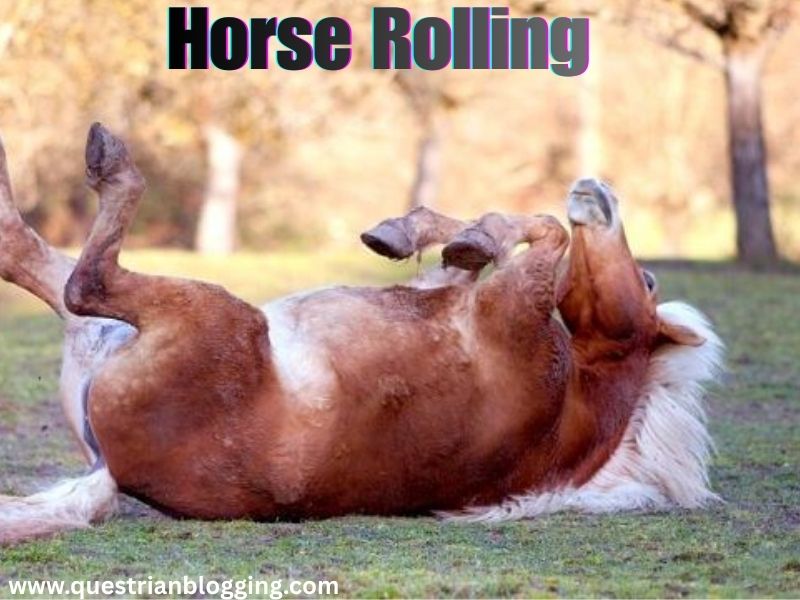
Horse rolling is a natural behavior that can serve various purposes such as marking territory and relieving physical and mental tension. It can also be a sign of pain or discomfort, as in the case of colic or labor.
Rolling is contagious among horses, and they often roll for pleasure when they feel relaxed and safe. Observing a horse’s rolling habits can provide insights into their mental state and social status within a herd. Understanding the reasons behind horse rolling can help owners assess their horse’s well-being and address any potential issues.
Understanding Horse Rolling
The behavior of horse rolling is a fascinating sight to behold. Whether it’s on a grassy field, in the snow, or even in the dirt, horses engage in this behavior for various reasons. In this article, we’ll explore the concept of horse rolling, its purpose, and when and why horses engage in this intriguing behavior.
What Is Horse Rolling?
Horse rolling refers to the act of a horse intentionally dropping to the ground and rolling their bodies from side to side. This behavior involves the horse lying flat on its back and then energetically shifting its weight from one side to the other. It can be done on various surfaces, including grass, sand, or dirt. Horse rolling is a natural behavior that is observed in both domestic and wild horses.
The Purpose Of Rolling
Rolling serves multiple purposes for horses. Let’s explore some of the main reasons why horses engage in this behavior:
- Physical and mental relief: Horses roll to relieve physical tension and stretch their muscles. Rolling helps them alleviate any accumulation of physical discomfort and mental stress.
- Maintenance of coat and skin health: Rolling allows horses to distribute natural oils produced by their skin. This helps to keep their coat healthy and shiny.
- Scratching and cleaning: Rolling also serves as a means for horses to scratch hard-to-reach areas of their bodies. It helps them remove dirt, dust, or bugs that may be irritating their skin.
- Social communication: Rolling can be a form of social behavior among horses. When horses roll together, it can indicate trust, relaxation, and a sense of safety within the herd.
- Marking territory: For stallions, rolling can be a sign of dominance and marking their territory. It’s a way for them to leave their scent on the ground and assert their presence.
It’s important to note that while rolling is generally a normal and healthy behavior for horses, there are instances where it can be indicative of an underlying issue. For example, horses experiencing colic or mares in labor may exhibit rolling as a pain behavior. In such cases, it’s crucial to closely observe the horse’s facial expressions and behavior to identify any accompanying symptoms.
Observing Your Horse’s Rolling Habits
As a horse owner or caretaker, it’s important to pay attention to your horse’s rolling habits. This can provide valuable insights into their well-being and overall state of health. Consider the following:
- Frequency: Take note of how often your horse rolls. Frequent rolling might indicate discomfort or possible health issues.
- Posture and body movements: Observe the horse’s posture and any unusual or repetitive movements during rolling. These can be indicators of discomfort or pain.
- Accompanying behaviors: Watch for any changes in behavior, appetite, or general appearance after the horse rolls. These can help identify any underlying health issues.
By being attentive to your horse’s rolling habits, you can better monitor their well-being and ensure they’re receiving the necessary care.
When Do Horses Roll?
Horses can roll at any time, but there are certain situations that may prompt them to engage in this behavior more frequently:
- After exercise: Rolling after physical exertion can help horses cool down and relax.
- After bathing: Some horses enjoy rolling after being bathed, perhaps to dry off or simply for the sheer pleasure of it.
- After being turned out: When horses are let out into a pasture or paddock, they may take the opportunity to roll and interact with their environment.
- In response to itchiness or irritation: Rolling can be a response to insect bites, skin allergies, or other irritations.
It’s important to provide horses with a safe and suitable environment where they can engage in rolling without risking injury or discomfort. Regular grooming, fly control measures, and addressing any underlying health issues can also help minimize excessive rolling.
Questions For You
Have you observed any interesting rolling behaviors in your horse? How do you ensure a safe environment for your horse to engage in rolling? Share your experiences and insights in the comments below!

Credit: www.ft.com
Behavioral Aspects Of Horse Rolling
Horse rolling is a natural behavior exhibited by horses for various reasons such as relieving mental and physical tensions, marking territory, and signaling dominance. Owners can observe their horses’ rolling habits to understand their mental state and overall well-being. Rolling is a unique, instinctive behavior that offers valuable insights into a horse’s behavior and health.
Indicators Of Mental State
Rolling behavior in horses can serve as an indicator of their mental state. For stallions, rolling can be a sign of dominance and marking territory. On the other hand, rolling can also be a characteristic pain behavior for horses experiencing colic or mares in labor. Horses showing signs of pain or discomfort will have a distinct facial expression and exhibit multiple symptoms.Observing Rolling Habits
Understanding your horse’s rolling habits can provide valuable insights into their well-being. Most of the time, horses roll for pleasure when they are relaxed and feel safe. Similar to how yawning can be contagious among humans, rolling behavior can also be contagious among horses. Observing how often and under what circumstances your horse engages in rolling can give you a better understanding of their overall mood and comfort level.Factors Influencing Rolling
Several factors can influence a horse’s inclination to roll. One of the primary factors is their level of relaxation and feeling of safety. When horses are in a secure environment and are free from stress, they are more likely to indulge in rolling behavior. Additionally, physical discomfort or pain, such as colic or abdominal issues, can also prompt horses to roll as a response to alleviate the discomfort. Therefore, it is important to monitor your horse’s rolling behavior and look for any potential underlying issues that may require attention. In conclusion, Horses rolling behavior can indicate their mental state and serve as a means of relaxation and pleasure. Observing and understanding your horse’s rolling habits can provide valuable insights into their overall well-being. Factors such as relaxation, feeling of safety, and physical discomfort can influence a horse’s inclination to roll. By paying attention to these behavioral aspects, you can ensure the mental and physical health of your beloved equine companion.Health And Well-being Impact
Signs Of Pain And Discomfort
Horses that are in pain or discomfort may exhibit certain signs when rolling. These signs may include:
- Agitated behavior before or after rolling
- Excessive sweating or breathing heavily
- Repeatedly rolling without relief
- Unwillingness to stand up after rolling
The Natural Behavior Of Rolling
Horses naturally engage in rolling as a means of relieving physical and mental tensions. It is a perfectly natural behavior for horses and contributes to their overall well-being. Rolling provides horses with a way to alleviate accumulated stress, similar to how humans may stretch or massage sore muscles. It is essential for owners and caretakers to understand the reasons behind a horse’s rolling behavior to ensure their health and well-being.
Social And Herd Dynamics
Caring For Rolling Horses
Horses rolling is a natural behavior that is essential for their physical and mental well-being. Properly caring for rolling horses involves monitoring their rolling patterns and maintaining their physical health.
Monitoring Rolling Patterns
- Observe your horse’s rolling frequency and behavior regularly.
- Keep track of any changes in rolling habits which could indicate underlying health issues.
- Consult a veterinarian if you notice excessive rolling or abnormal patterns.
Maintenance Of Physical Health
- Ensure your horse has a balanced diet to support overall well-being.
- Provide regular exercise to prevent stiffness and promote muscle strength.
- Regular grooming helps maintain healthy skin and coat, reducing the need for excessive rolling.

Credit: www.penguinrandomhouse.com

Credit: www.facebook.com
Frequently Asked Questions On Horse Rolling
What Does It Mean When A Horse Is Rolling?
When a horse is rolling, it can have different meanings. For stallions, it can be a sign of dominance and marking territory. It can also indicate pain, such as in the case of colic or a mare in labor. Rolling is a natural behavior for horses and can help relieve physical and mental tension.
What Does It Mean When Horses Roll Together?
Horses roll together when they are relaxed and feel safe. It can be a sign of dominance and territorial marking for stallions. Rolling can also indicate pain, such as in horses with colic or mares in labor. Rolling helps horses relieve physical and mental tension.
Is It Normal For A Horse To Roll?
Yes, it is normal for a horse to roll on the ground as it is a natural behavior that helps them relieve physical and mental tensions, and indicate their health. Horses may also roll for pleasure and as a means of giving themselves a natural massage.
What Is It Called When A Horse Rolls?
When a horse rolls, it is called “rolling. ” Horses may roll for pleasure or due to pain, such as colic.
Conclusion
Understanding the reasons behind a horse’s natural behavior of rolling can provide valuable insights into their physical and emotional state. From pleasure to pain indication, a horse’s rolling habits offer important cues for horse owners to monitor their well-being and address any potential issues.
Observing and interpreting a horse’s rolling behavior can contribute to better care and understanding of these magnificent animals.