

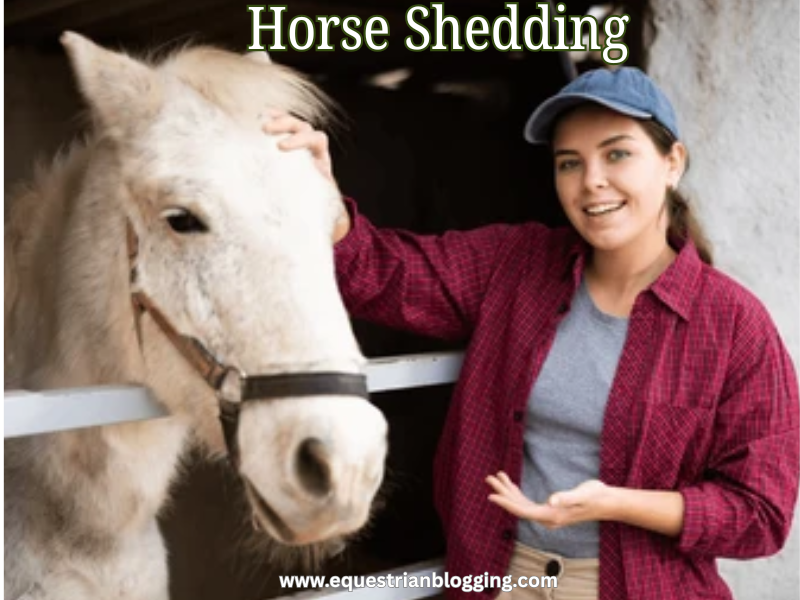
Horse shedding refers to the process of a horse losing its winter coat, which can provide insights into the horse’s overall health. Horse shedding typically occurs in late January and early February.
Some horses shed their coats at a slower rate than others and may follow a consistent shedding schedule from year to year. To speed up the shedding process, horse owners can use techniques such as blanketing in winter, providing artificial light, and engaging in vigorous grooming.
Regular grooming with tools like curry combs and stiff-bristled brushes can effectively remove loose hair. Understanding the shedding process can help horse owners maintain their horse’s health and comfort during the transition from winter to spring.Horse Shedding : Expert Tips & TricksHorse Shedding : Expert Tips & Tricks

The Science Of Shedding
Shedding in horses refers to the natural process of losing their winter coat and growing a new one. But did you know that shedding is not just a simple cosmetic change for our equine friends? It is actually a complex physiological process that can reveal important information about their overall health. In this section, we will explore the science behind shedding and how it can help us understand our horses better.
Complex Physiological Process
Shedding a winter coat is not as simple as it may seem. It is controlled by several physiological factors within a horse’s body. The process begins with the lengthening of daylight hours, which triggers hormonal changes in the horse’s system. As the days get longer, the horse’s pineal gland produces less melatonin, a hormone that plays a role in regulating the sleep-wake cycle.
This decrease in melatonin signals the horse’s body to start shedding its winter coat. The hair follicles become active, and new hairs start to grow. At the same time, the old hair is pushed out of the follicle, eventually falling out and making way for the new coat.
Interestingly, there are several factors that can influence the shedding process. For instance, horses that are blanketed during the colder months may not grow as thick of a winter coat, resulting in a shorter shedding period. Artificial light can also play a role in speeding up the shedding process, as can regular and vigorous grooming.
Revealing Equine Health Conditions
While shedding is a normal and healthy process for horses, it can also shed light on certain equine health conditions. Irregular or prolonged shedding can be an indication of underlying health issues such as hormonal imbalances, nutritional deficiencies, or skin conditions.
By closely monitoring the shedding process, horse owners and caretakers can gain insights into the overall well-being of their animals. Any abnormalities or changes in their horse’s shedding patterns should be noted and discussed with a veterinarian.
Conclusion
In conclusion, shedding in horses is a complex physiological process that can provide valuable information about their general health. By understanding the science behind shedding and paying attention to any changes or abnormalities, we can better care for our equine companions and ensure their well-being.
Understanding The Shedding Schedule
Understanding the shedding schedule plays a crucial role in effectively managing a horse’s grooming routine. By recognizing the signs of a horse shedding its winter coat, horse owners can adjust their grooming practices accordingly, aiding in the shedding process and promoting the horse’s overall health.
Experienced equestrians understand that each horse’s shedding pattern remains consistent from year to year and can provide valuable insights into the horse’s well-being.
Understanding the Shedding Schedule
Horse shedding, also known as the process of a horse losing its winter coat, is a significant event in the life of every equine enthusiast. Not only does it signal the arrival of warmer weather, but it also provides insights into the overall well-being of our beloved horses. For those seeking a deeper understanding of the shedding schedule, exploring seasonal shedding patterns and consistency from year to year can be incredibly enlightening.
Seasonal Shedding Patterns
Seasonal shedding patterns play a crucial role in understanding the shedding schedule of horses. It’s fascinating to observe how horses shed their winter coats in a specific order, often losing hair from certain areas first before moving on to others. For instance, some horses may shed hair from their necks first, then along their flanks, and finally completing their shedding process with their hindquarters. This consistent annual pattern allows horse owners to anticipate and prepare for the shedding season ahead.
Consistency from Year to Year
One remarkable aspect of the shedding schedule is its consistency from year to year. While some horses may shed their coats longer than others, each horse typically adheres to their own shedding “schedule.” This means that once you observe your horse’s shedding pattern during their first shedding season, you can expect it to be remarkably similar in subsequent years. This consistency not only helps horse owners plan their grooming routines, but it can also provide valuable information about the overall health of the horse.
By carefully monitoring the shedding schedule and any significant deviations from the norm, horse owners can detect early signs of health issues or imbalances. For example, a sudden change in shedding patterns or excessive shedding could indicate underlying conditions such as nutritional deficiencies or hormonal imbalances. Therefore, understanding and tracking your horse’s shedding schedule is an essential part of maintaining their overall health and well-being.
When it comes to facilitating the shedding process, there are several techniques that horse owners can employ. Blanketing during the colder months can help regulate a horse’s winter coat growth, preventing it from becoming excessively thick. Additionally, providing artificial light can mimic longer daylight hours, prompting the horse’s body to shed its winter coat faster. Finally, regular and vigorous grooming using tried and true tools such as curry combs and stiff-bristled brushes can contribute to the efficient shedding of the winter coat.
In conclusion, understanding the shedding schedule is crucial for every horse owner. By paying close attention to seasonal shedding patterns and consistency from year to year, we can gain valuable insights into our horse’s overall health and well-being. This knowledge allows us to anticipate the shedding season, plan our grooming routines, and spot any potential health issues early on. So, let’s embark on this shedding journey together, and witness the transformation of our beloved horses as they shed their winter coats and embrace the arrival of spring.
Aiding The Shedding Process
Horse shedding is a natural process that occurs as temperatures begin to rise, signaling the end of winter. It allows the horse to shed its thick winter coat and prepare for the warmer months ahead. Fortunately, there are several methods to aid this shedding process, ensuring that the horse’s transition is smooth and comfortable.
Blanketing In Winter
During winter, blanketing your horse can help regulate its body temperature and reduce the thickness of its winter coat. By using a blanket, the horse’s coat won’t grow as thick, and the hairs will be shorter. This can assist in minimizing the amount of shedding required once the warmer weather arrives.
Artificial Light
Artificial light can be utilized to simulate longer daylight hours, which can help encourage your horse to shed its winter coat. By extending the amount of light exposure, the horse’s natural shedding process may be expedited, aiding in the removal of the thick winter coat.
Vigorous Grooming
Vigorous grooming plays a crucial role in aiding the shedding process. Regular and thorough grooming with appropriate tools such as curry combs and stiff-bristled brushes can help remove the loose hair, encouraging the shedding of the winter coat. It also promotes healthy skin and circulation, ensuring a comfortable transition for the horse.
Grooming Tips For Shedding Season
Grooming regularly is crucial during shedding season to maintain your horse’s coat health and overall well-being.Horse Shedding : Expert Tips & TricksHorse Shedding : Expert Tips & TricksHorsHorse Shedding : Expert Tips & Trickse Shedding : Expert Tips & Tricks
Curry combs and stiff-bristled brushes are essential tools for effectively grooming your horse during shedding season.Horse Shedding : Expert Tips & TricksHorse Shedding : Expert Tips & TricksHorse Shedding : Expert Tips & Tricks
Nutrition And Shedding
Horse shedding is a natural process that is influenced by various factors, with nutrition playing a significant role in the quality of a horse’s coat. Proper nutrition plays a vital part in maintaining a healthy coat and promoting efficient shedding cycles. Let’s delve into the importance of nutrition in shedding and how diet can impact coat quality.
Role Of Nutrition In Shedding
Proper nutrition is essential for supporting a horse’s overall health and well-being, including their coat condition and shedding process. A diet rich in essential nutrients such as proteins, vitamins, and minerals is crucial for promoting healthy skin and coat growth. Nutritional deficiencies can lead to dull, dry coats and may disrupt the natural shedding cycle of a horse.
Impact Of Diet On Coat Quality
The quality of a horse’s coat is directly influenced by their diet. A well-balanced diet that meets the horse’s nutritional requirements will result in a shiny, healthy coat that sheds effectively. On the other hand, a diet lacking in essential nutrients can lead to coat issues such as excessive shedding, uneven hair growth, and a lackluster appearance.
Ensuring that your horse receives the proper balance of nutrients through a well-rounded diet is key to promoting a healthy coat and supporting a smooth shedding process. Consult with a veterinarian or equine nutritionist to create a customized diet plan that addresses your horse’s specific nutritional needs.

Frequently Asked Questions On Horse Shedding
What Does It Mean When A Horse Is Shedding?
When a horse is shedding, it means that they are losing their winter coat as the weather gets warmer. Shedding is a natural process that can provide insight into the horse’s overall health. Regular grooming and proper nutrition can help speed up the shedding process.
What Month Do Horses Shed?
Horses shed their winter coats in late January and early February, though it starts in December. Shedding can provide insights into the horse’s health. Regular grooming, blanketing in winter, and artificial light can help speed up the shedding process.
Do Horses Shed A Lot Of Hair?
Yes, horses shed a lot of hair, especially when transitioning from winter to spring. Some may shed more than others, and grooming can help speed up the shedding process. Grooming regularly with suitable tools such as curry combs and stiff-bristled brushes can aid in the shedding process.
What Helps A Horse Shed?
To help a horse shed, consider these 3 methods: Blanketing in winter to prevent a thick coat growth. Using artificial light. Regular, vigorous grooming sessions.
Conclusion
Understanding horse shedding is vital for horse owners to monitor their equine’s health. The shedding process unveils significant health insights for equines. To aid the shedding, owners can engage in regular grooming, blanket during colder months, provide artificial light, and consider the horse’s nutrition.
These practices can assist in maintaining the health and well-being of the horses during shedding seasons.