

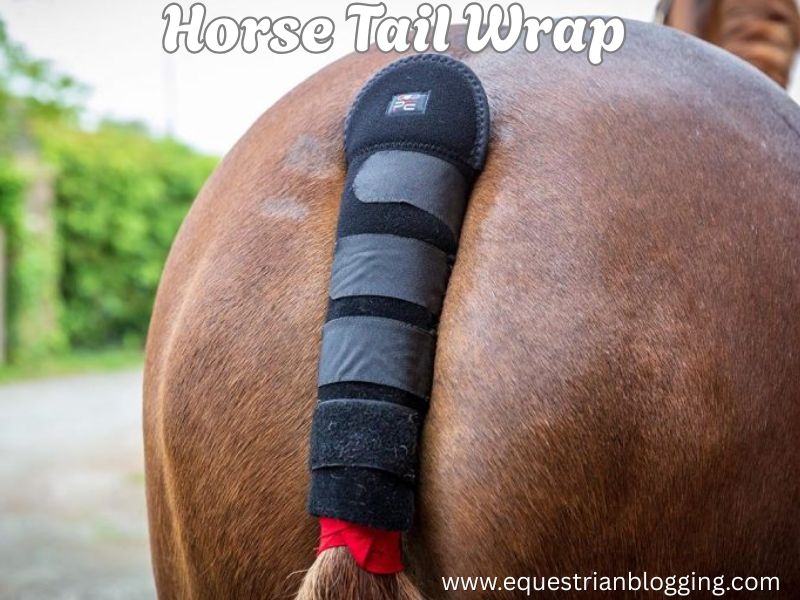
A horse tail wrap is used to prevent breakage and promote the growth of the tail. It also helps keep the tail clean and protects it from being rubbed off or causing injury to the horse.
Tying up a horse’s tail and keeping it wrapped or bagged is a way to prevent breakage and promote tail growth. However, this practice should only be used when the horse is indoors during the worst fly activity or when outfitted with a fly sheet during turnout.
The aim is to protect the horse’s tail from damage and keep it clean. Using a tail bandage prevents the hairs from being rubbed off or causing injury to the horse. It is a proactive measure to maintain the health of the horse’s tail and ensure its natural defense against flies.

Credit: www.facebook.com
Different Types Of Horse Tail Wraps
Enhance your horse’s tail care routine with a variety of tail wraps available. From protective neoprene options to padded full-length wraps, these accessories help prevent tail damage and promote healthy tail growth for your equine companion. Discover the perfect tail wrap to suit your horse’s needs.
Neoprene Tail Wrap
Neoprene tail wraps are a popular choice among horse owners due to their durability and ability to provide excellent protection. Made from synthetic rubber, neoprene offers a high level of flexibility and stretchability, ensuring a snug fit around the horse’s tail. The material is also waterproof, making it suitable for use in all weather conditions. One of the key advantages of neoprene tail wraps is their ability to provide support and padding to the horse’s tail. The wrap acts as a cushion, minimizing the risk of tail injuries caused by rubbing or banging against surfaces. It also helps to keep the tail clean and free from dirt, debris, and tangles.Padded Tail Wrap
Padded tail wraps are designed to provide maximum comfort and protection to the horse’s tail. These wraps are usually made with a combination of soft padding materials, such as fleece or foam, and a durable outer fabric. The padding acts as a shock absorber, reducing the impact on the tail and preventing injuries. Padded tail wraps are particularly beneficial for horses that are prone to tail rubbing or those with sensitive skin. They provide a soft barrier between the tail and any surfaces that could cause irritation or damage. Additionally, the padding helps to distribute pressure evenly, reducing the risk of sore spots or discomfort.Lycra Braid Tail Wrap
Lycra braid tail wraps offer a unique combination of style and functionality. Made from stretchable and breathable Lycra fabric, these wraps conform to the shape of the horse’s tail, ensuring a secure fit without restricting movement. The Lycra material also helps to keep the tail in place, preventing it from unraveling or getting tangled. One of the standout features of Lycra braid tail wraps is their ability to enhance the appearance of the horse’s tail. The wraps are often adorned with decorative braids, adding an eye-catching element to the overall look. This makes them a popular choice for horse shows, competitions, or any event where presentation matters. In conclusion, when it comes to horse tail wraps, there is a wide range of options available. Neoprene tail wraps provide excellent protection and durability, padded tail wraps offer maximum comfort and protection, while Lycra braid tail wraps combine style and functionality. Consider your horse’s needs and preferences when choosing the right type of tail wrap to ensure optimal comfort and safety.
Credit: madbarn.ca
How To Apply A Horse Tail Wrap
| Product | Price | Store |
|---|---|---|
| Dura-Tech Padded Full Length Tail Wrap | $29.99 | Schneider Saddlery |
| Tail Wrap By Professional’s Choice | $31.95 | Rod’s Western Palace |
| Professionals Choice Tail Wrap | $27.99 | Chicks Discount Saddlery |
| Harrison Howard Neoprene Horse Tail Guard Equine Tail Wrap | $21.99 | Amazon.com |
| Professionals Choice Tail Wrap Professional | $33.14 | Horse.com |
| Professionals Choice Protective Neoprene Tail Wrap | $23.95 | Big Dee’s Tack and Vet Supplies |
| Professionals Choice Tail Wrap Professional | $29.24 | StatelineTack.com |
When it comes to protecting your horse’s tail, a horse tail wrap is an essential accessory. Not only does it help prevent tail rubbing and damage but it also keeps the tail clean and manageable. If you’re new to using horse tail wraps or simply want to improve your technique, this step-by-step guide on how to apply a horse tail wrap will help you get it right.
Step-by-step Guide
- Start by thoroughly cleaning and drying your horse’s tail. You can use a mild shampoo and warm water to gently wash the tail. Make sure to rinse off all the soap and pat the tail dry with a towel.
- Brush out any tangles or knots in the tail using a wide-toothed comb or brush. This will ensure that the tail is smooth and easy to work with.
- Measure the length of the tail wrap against your horse’s tail. The wrap should cover the entire length of the tail from the start of the tailbone to the end of the tail hairs.
- Secure one end of the wrap around the base of the tailbone. Make sure it is snug but not too tight. You can use a Velcro strap, adhesive tape, or a clip to secure it in place.
- Wrap the tail wrap around the tail, keeping it taut but not too tight. Make sure to overlap each layer slightly to provide maximum protection.
- Continue wrapping until you reach the end of the tail hairs. Secure the wrap in place using the provided closure or another form of fastening.
- Check that the tail wrap is secure and comfortable for your horse. It should not restrict movement or cause any discomfort.
Tips For Correct Application
- Always start with a clean and dry tail to ensure proper adhesion of the tail wrap.
- Make sure the wrap is not too tight. It should be snug enough to stay in place but loose enough to allow for natural movement.
- Trim any excess wrap to prevent it from getting tangled or caught on objects.
- Regularly check the tail wrap for any signs of wear or damage. Replace it if necessary to maintain proper protection.
- Consult with a veterinarian or experienced horse owner if you have any questions or concerns about using a tail wrap.
By following these step-by-step instructions and incorporating these tips, you can effectively apply a horse tail wrap to protect your horse’s tail and keep it looking its best. Don’t forget to choose a high-quality tail wrap from reputable brands like Schneider Saddlery, Professional’s Choice, or Chicks Discount Saddlery for the best results.
Benefits Of Using A Horse Tail Wrap
Wrapping a horse’s tail provides protection from breakage and promotes healthy hair growth by preventing tangling and damage from environmental elements. It also helps maintain hygiene and cleanliness, making grooming and maintenance easier for horse owners. Wrap your horse’s tail to keep it healthy and beautiful.
The horse tail wrap is an essential tool for any equine owner. Not only does it serve as a practical means of protecting and maintaining your horse’s tail, but it also offers a range of benefits that can contribute to the overall well-being and appearance of your horse. From preventing breakage to safeguarding the tail during shipping, a horse tail wrap can be a valuable asset in your equine care routine.Prevention Of Breakage
One of the primary benefits of using a horse tail wrap is the prevention of breakage. The wrap provides a protective barrier that shields the tail hairs from potential damage caused by rubbing against surfaces or getting tangled during activities such as turnout or riding. By minimizing breakage, the tail wrap helps maintain the integrity and length of the tail, promoting a healthy and aesthetically pleasing appearance.Protecting Tail During Shipping
When transporting horses, especially over long distances or via air travel, it’s crucial to ensure the safety and comfort of the animal. A horse tail wrap acts as a safeguard during shipping, shielding the tail from potential injuries or damage that may occur while in transit. By providing a layer of protection, the wrap helps minimize the risk of tail-related injuries, ensuring a smooth and stress-free travel experience for the horse. In addition to these specific benefits, using a horse tail wrap can also contribute to overall tail health, improve manageability, and enhance the visual appeal of the horse. Consider integrating a high-quality tail wrap into your equine care routine to experience these advantages firsthand.
Credit: www.farmhousetack.com
Best Practices For Tail Wrap Usage
When using tail wraps for your horse, it is essential to follow best practices to ensure the safety and well-being of your equine companion.
Duration Of Usage
Consider the duration of time your horse will wear the tail wrap to prevent any discomfort or issues from prolonged use.
Potential Risks To Avoid
- Avoid wrapping the tail too tightly to prevent circulation issues.
- Regularly check for signs of irritation or skin abrasions under the wrap.
- Remove the tail wrap if you notice any discomfort or abnormal behavior in your horse.
Frequently Asked Questions For Horse Tail Wrap
Why Do You Wrap A Horse’s Tail?
Wrapping a horse’s tail helps prevent breakage and promotes growth. It also keeps the tail clean and protects it during shipping. However, it should only be done if the horse is indoors or protected from flies.
What Is A Horse Tail Bandage For?
A horse tail bandage is used to keep the tail clean and prevent hair from getting rubbed off or caught up on something, especially during transportation.
How Long Can You Leave A Tail Wrap On A Horse?
You should not leave a tail wrap on a horse for more than 12 hours at a time. Leaving it on for extended periods can lead to skin irritation and hair damage. Regularly check the area for any signs of irritation or discomfort.
Should I Wrap My Horses Tail In The Winter?
To protect horse’s tail from breakage, you can wrap it in winter. This prevents damage and promotes healthy growth.
Conclusion
A horse tail wrap is an essential accessory for horse grooming and protection. With a variety of options available, from neoprene to lycra wraps, preventing breakage and aiding in tail growth is made easy. Proper care and maintenance are key to keeping your horse’s tail healthy and strong.