


Jump poles are commonly used in equestrian sports for pole work, show jumping, and cavaletti exercises. They are available in various lengths and thicknesses, depending on the specific training or competition requirements.
Premier Equestrian offers a wide selection of durable and easy-to-use jump poles for sale, made from high-quality materials to withstand years of use. JB Horse Standards and Platinum Jumps also provide options for jump poles, including unpainted wood bundles and turf-covered poles.
Painting self-built poles is a common topic of discussion in horse forums, and companies like Burlingham Sports offer specialty jump poles for those seeking a more unique design. Whether you are a professional rider or an enthusiast, jump poles are an essential component for improving your horse’s jumping skills and creating thrilling courses.
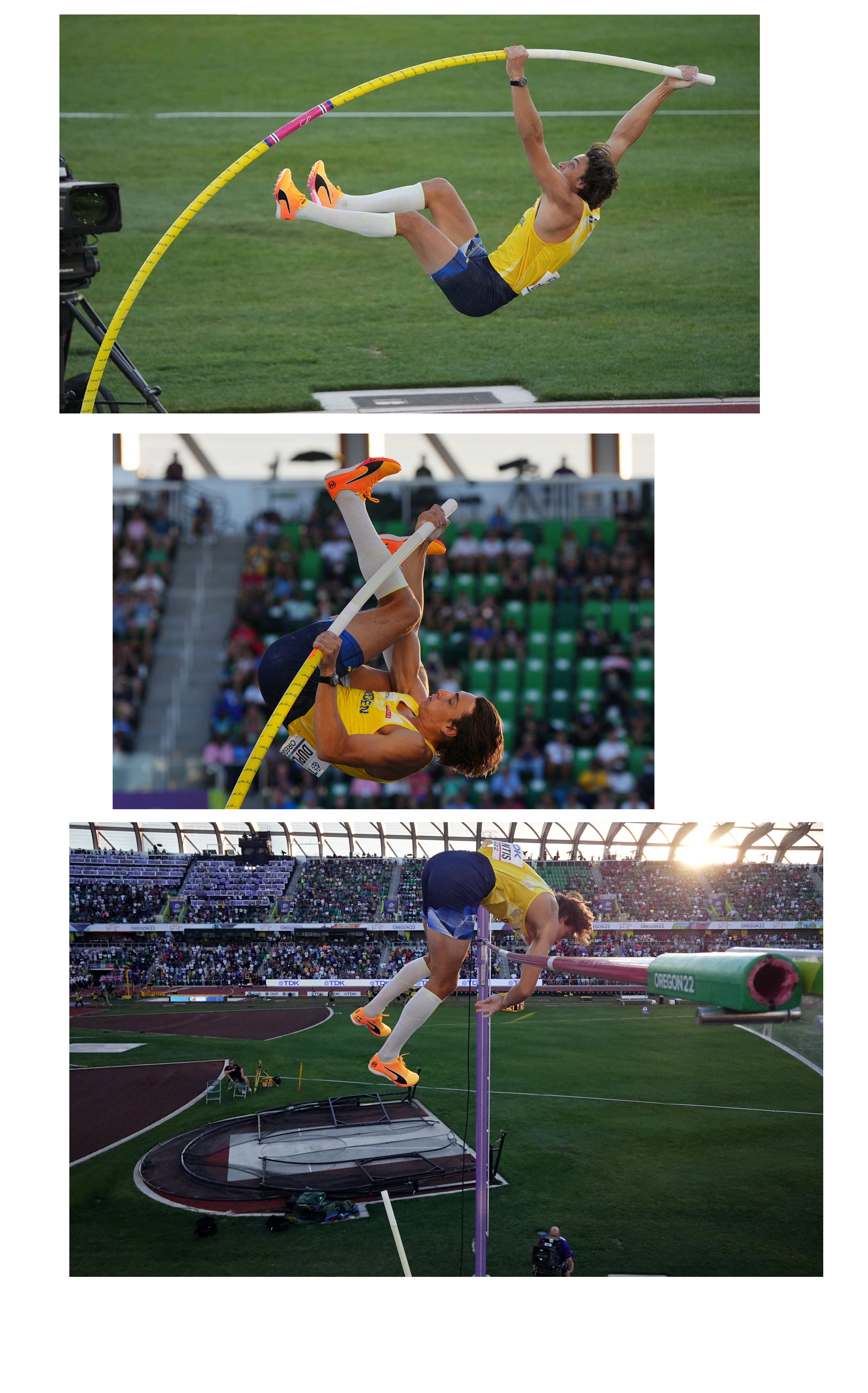
Credit: en.wikipedia.org
Choosing The Right Jump Poles
Selecting the perfect jump poles is crucial for your horse’s training. Consider the material, length, and weight for effective performance and durability in equestrian activities. Premier Equestrian offers a range of sturdy and versatile jump poles suitable for various disciplines.
Material Options
When it comes to choosing the right jump poles, one important consideration is the material they are made from. Different materials have different properties that can impact the performance and safety of the poles. Here are some common material options to consider:
- Wood: Wood is a popular choice for jump poles due to its natural look and sturdy construction. It provides a traditional aesthetic and can be easily painted or stained to match your preferences. However, wood poles may require more maintenance than other materials as they can be prone to rotting or splintering over time.
- Plastic: Plastic poles are lightweight and durable, making them a convenient option for riders who want to easily transport and set up their jumps. They are resistant to weathering and require minimal maintenance. However, plastic poles may not offer the same level of stability and weight-bearing capacity as wood or metal poles.
- Metal: Metal poles, usually made of aluminum or steel, are strong and long-lasting. They offer excellent stability and can withstand heavy use. Metal poles may have a more modern and industrial look compared to wood or plastic. However, metal poles can be heavier and less forgiving if a horse were to make contact with them.
Height And Length Considerations
Another important factor to consider when choosing jump poles is the appropriate height and length. The right dimensions for your poles can depend on various factors, including the level of experience of the rider and the intended use of the jumps. Here are some considerations:
- Height: The height of the jump poles determines the level of difficulty for the rider and the horse. Lower heights are suitable for beginners or training purposes, while higher heights are challenging and suitable for advanced riders. It is essential to select poles that provide a gradual progression in height to ensure the safety and development of both the horse and the rider.
- Length: The length of the jump poles should be appropriate for the width of the jump. Ideally, the poles should extend slightly beyond the width of the jump to provide a visual guide for the horse. This helps the horse to judge the timing and height of the jump accurately.
By taking into account the material options and considering the appropriate height and length, you can choose the right jump poles that meet your needs and ensure a safe and successful jumping experience for both you and your horse.

Credit: coachingyoungathletes.com
Setting Up Jump Poles Correctly
Spacing And Distances
Proper spacing and distances between jump poles are crucial for creating a safe and challenging course for both horse and rider. The distance between poles can affect the horse’s stride, balance, and ability to jump accurately. As a general guideline, the distance between poles should typically be set at around 9 to 12 feet for a canter stride.
Here are a few key points to keep in mind when setting up jump poles:
- Placement: Start by placing the poles on level ground in a straight line. It’s important to ensure that the poles are secure and won’t roll or move during the jumping session.
- Spacing: Maintain a consistent spacing of around 9 to 12 feet between each pole. This allows enough room for the horse to approach and jump over each pole comfortably.
- Number of Poles: Consider the number of poles you want to set up. Depending on the exercise or course you plan to work on, you may need anywhere from 3 to 6 poles.
Safety Precautions
When setting up jump poles, safety should always be the top priority. Here are a few safety precautions to follow:
- Clear Landing Space: Make sure there is enough space for the horse to land safely after jumping over the poles. Clear any obstacles or hazards in the landing area.
- Secure Poles: Ensure that the jump poles are securely placed and won’t move or roll during the jumping session. Use jump cups or blocks to keep the poles in place.
- Round Off Edges: Smooth out any sharp edges or rough surfaces on the jump poles to minimize the risk of injury to the horse.
- Supervision: Always have a qualified trainer or experienced rider present during the jumping session to provide guidance and ensure the safety of both horse and rider.
By following these guidelines for setting up jump poles correctly and prioritizing safety, you can create a challenging and safe course for you and your horse to practice and improve your jumping skills.
Training Techniques With Jump Poles
Utilize jump poles in your training techniques to enhance your horse’s jumping skills. Incorporate them for cavaletti exercises, show jumping, and other equestrian sports, as they can improve both endurance and agility. Jump poles are ideal for building durability and ease of use and can be customized for different training needs.
Pole Work For Horses
Horses can benefit greatly from pole work as it helps improve their coordination, balance, and strength. Training with poles encourages the horse to engage its hindquarters, resulting in stronger muscle development and improved jumping technique.
Improving Jumping Skills
Using poles as part of a horse’s training regimen can enhance their jumping skills. By incorporating poles into the training routine, horses learn to measure their stride and adjust their pace, leading to more accurate and efficient jumping over obstacles.
Additionally, pole work can help horses become more attentive and focused, leading to improved performance during jumping competitions.
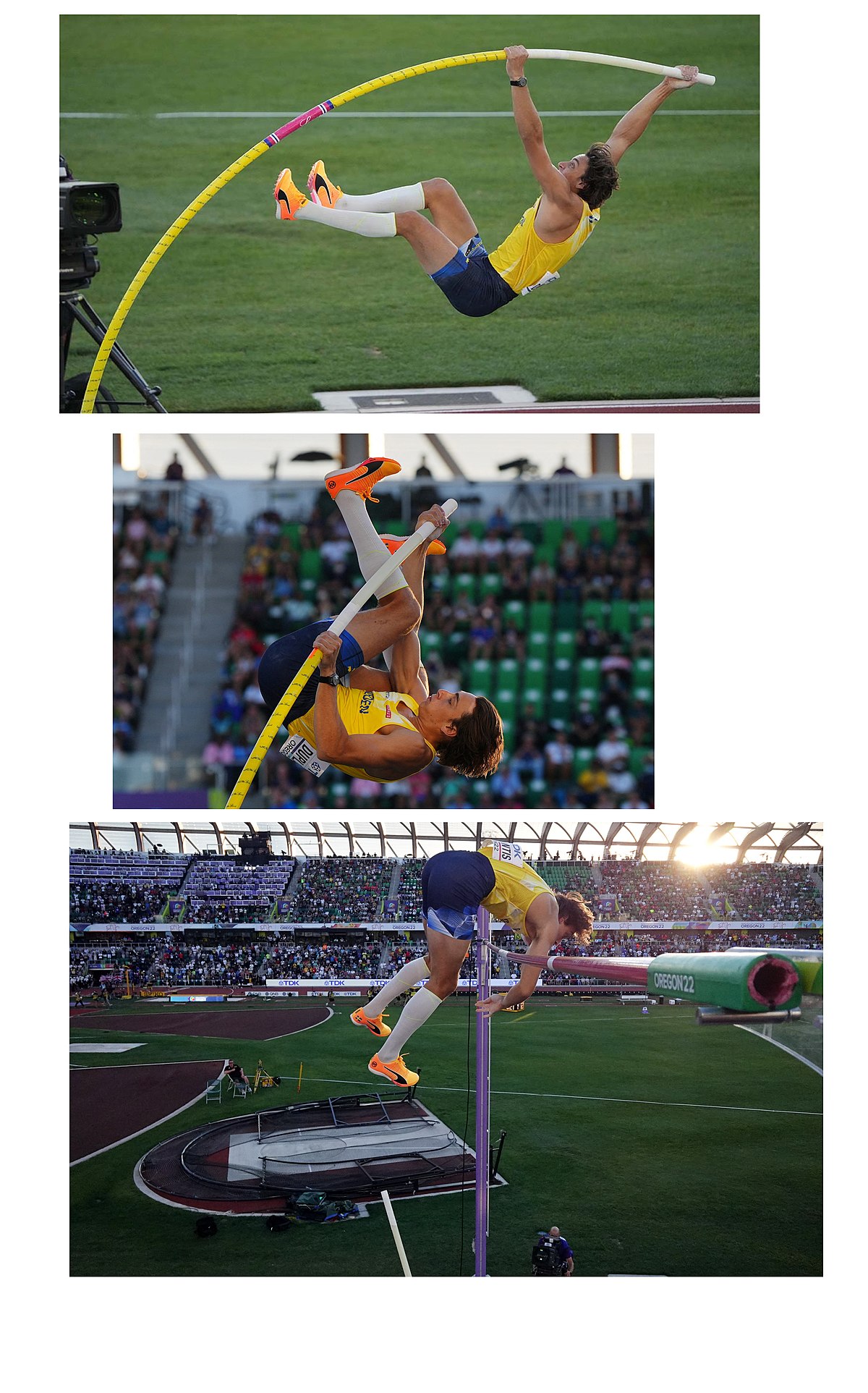
Credit: en.wikipedia.org
Maintaining And Storing Jump Poles
Maintaining and storing jump poles is crucial for their longevity and effectiveness in equestrian sports. Proper storage and regular maintenance ensure their durability and performance in show jumping, pole work, and cavaletti exercises.
Cleaning And Maintenance
Regular cleaning and maintenance of jump poles are essential to ensure their longevity and safety.
- Clean jump poles with a damp cloth and mild soap to remove dirt and grime.
- Inspect poles for any signs of damage or wear and tear after each use.
- Repair any cracks or splinters promptly to prevent accidents during jumping sessions.
- Maintain the integrity of the poles by avoiding exposure to extreme weather conditions.
- Apply a protective sealant to wooden poles to enhance their durability and resistance to moisture.
Proper Storage Practices
Implementing proper storage practices is crucial for preserving the quality of jump poles when not in use.
- Store jump poles in a clean and dry environment away from direct sunlight and moisture.
- Organize poles vertically or horizontally to prevent warping or bending over time.
- Cover the poles with a tarp or protective cover to shield them from dust and debris.
- Avoid placing heavy objects on top of the poles to prevent structural damage.
- Check stored poles periodically for any signs of pests or mold growth.
Frequently Asked Questions For Jump Poles
What Can I Use For Jump Poles?
Jump poles for horse riding can be purchased from various online retailers such as jbhorsestandards. com, platinumjumps. com, and Amazon. com. Prices range from $50 to $185 depending on the type and quality of the poles. These poles are suitable for cavaletti, pole work, show jumping, and other equestrian sports.
How Long Should Jump Poles Be?
Jump poles should be approximately 10 to 12 feet in length, allowing room for horse maneuverability.
How Thick Are Showjumping Poles?
Showjumping poles are generally 3. 5 inches in thickness. The poles are designed for durability and versatility in equestrian sports.
What’s It Called When A Horse Jumps Over A Pole?
When a horse jumps over a pole, it’s called a vertical jump where they clear a straight, elevated obstacle.
Conclusion
Jump poles are an essential component of equestrian training and competitive events. They come in various materials, lengths, and colors, catering to different needs and preferences. Whether for cavaletti work, pole exercises, or show jumping, finding the right jump poles is crucial for the safety and performance of both horse and rider.
With ample options available, equestrians can find the perfect jump poles to suit their specific training requirements, ultimately enhancing their overall riding experience.