

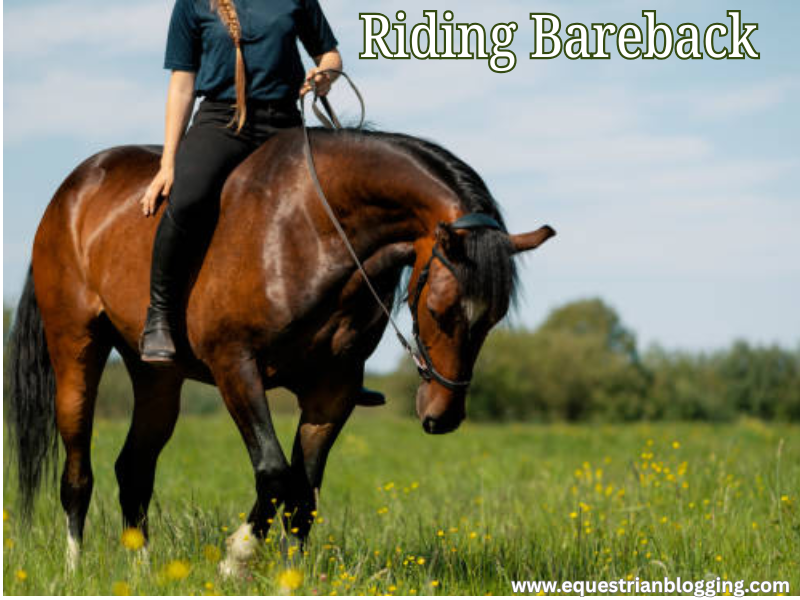
Riding bareback is a form of horseback riding without a saddle, requiring skill, balance, and coordination. It offers benefits such as improved balance, a better understanding of your horse’s movements, and a closer bond between rider and horse.
However, there are drawbacks to riding bareback, including a higher risk of injury, the potential for poor riding form, and discomfort for both horse and rider due to the lack of padding. Despite this, many riders choose to ride bareback for the unique experience and connection it provides.
We will explore the pros and cons of riding bareback and provide tips on how to ride bareback with balance, confidence, and fluidity.
Credit: www.wehorse.com
What Is Bareback Riding?
Bareback riding is the art of riding a horse without a saddle, relying solely on skill, balance, and coordination. This style of riding allows for a deeper connection between the rider and the horse, but it requires a good understanding of the horse’s movements and a steady seat to maintain balance.
Riding bareback is a form of horseback riding without a saddle. It requires skill, balance, and coordination, as the rider does not have any equipment to provide support. Instead, the rider relies solely on their ability to maintain their balance and communicate with the horse through their seat and legs.Benefits Of Bareback Riding
There are several benefits to bareback riding that make it popular among riders. 1. Improved Balance: Riding bareback helps riders develop a strong sense of balance as they need to use their core muscles to stay centered on the horse. This can greatly improve their overall riding ability and stability. 2. Enhanced Connection: Without the barrier of a saddle, riders can feel the horse’s movements more directly. This deepens the connection between horse and rider and allows for better communication and understanding. 3. Strengthened Leg Muscles: Riding bareback engages the rider’s leg muscles more as they need to use their legs to stay on the horse. This can lead to stronger leg muscles, better control, and improved riding technique. 4. Heightened Sensitivity: Riding without a saddle allows riders to feel the horse’s movements, balance, and rhythm more directly. This deepens their sensitivity to the horse’s needs and can aid in developing a more intuitive and responsive riding style.Challenges Of Bareback Riding
While bareback riding offers numerous benefits, it also presents its own set of challenges. 1. Increased Risk of Falling: Without the stability provided by a saddle, riders are more susceptible to falling off the horse. This requires riders to develop better balance and riding skills to ensure their safety. 2. Potential Poor Riding Form: Riding bareback demands correct posture and balance from the rider. Without a saddle to support them, riders must focus on maintaining proper alignment, posture, and position. Otherwise, they may develop poor riding habits and compromise their form. 3. Discomfort for Horse and Rider: Unlike a saddle, which provides cushioning and support, riding bareback can cause discomfort to both horse and rider. The absence of a supportive tree and padding between the rider’s seat bones and the horse’s spine can lead to discomfort for both parties. It is crucial for riders to be mindful of their horse’s comfort and ensure they are using appropriate techniques to minimize any potential discomfort. In conclusion, bareback riding offers many benefits for riders, including improved balance, enhanced connection with the horse, strengthened leg muscles, and heightened sensitivity. However, it also presents challenges such as an increased risk of falling, the potential for poor riding form, and possible discomfort for both horse and rider. With the right training and technique, riders can maximize the advantages of bareback riding while minimizing the challenges it may pose.Mastering Balance And Connection
Mastering balance and connection while riding bareback in Austin, Texas can enhance your horseback riding experience. Discover the benefits of riding without a saddle and learn how to improve your balance, confidence, and fluidity in the saddle. Explore the art of riding bareback and develop a deeper connection with your horse.
Improving Balance And Coordination
Riding bareback requires a strong sense of balance and coordination. Without the support of a saddle, riders must rely on their own body control to stay centered and connected with their horse. Here are some tips to help you improve your balance and coordination while riding bareback:- Engage your core: Keeping your core muscles engaged will help you maintain better balance and stability while riding. Focus on keeping your abdominal muscles activated throughout your ride.
- Find your center of gravity: Experiment with different positions to find where your body feels the most balanced on your horse’s back. This will vary depending on the size and shape of your horse, so take your time to find the sweet spot.
- Practice bareback exercises: Incorporate bareback exercises into your riding routine to help improve your balance and coordination. Exercises like posting trot without a saddle or practicing transitions without stirrups can be beneficial.
- Start at a walk: Begin your bareback rides at a walk to help you develop a strong foundation of balance and coordination. As you become more comfortable, gradually increase the gait.
- Focus on your posture: Maintain proper posture while riding bareback by sitting tall, aligning your shoulders over your hips, and keeping your heels down. Good posture will provide a solid foundation for balance and coordination.
Developing A Connection With Your Horse
Riding bareback offers a unique opportunity to develop a deep connection with your horse. Without the barrier of a saddle, you are able to feel your horse’s movements and subtle cues more clearly. Here are some tips to help you develop a strong connection with your horse while riding bareback:- Practice mindfulness: Be fully present in the moment while riding bareback. Pay attention to your horse’s body language, and tune in to their movement and rhythm.
- Use your seat: Riding bareback allows you to use your seat as a primary means of communication with your horse. Focus on using subtle shifts in your weight and seat bones to guide your horse and establish a clear connection.
- Listen to your horse: Riding bareback provides a heightened level of sensitivity to your horse’s responses. Be attentive to their cues and adjust your riding accordingly. Trust your instincts and listen to your horse’s feedback.
- Engage in groundwork: Building a connection with your horse starts on the ground. Spend time doing groundwork exercises to establish trust and strengthen your bond. This will translate into a more connected and harmonious ride.
Training And Safety Tips
Riding bareback can be a thrilling and liberating experience, creating a deeper connection between rider and horse. However, it is essential to prioritize safety and proper training techniques to ensure a pleasant and secure experience. Let’s explore some valuable tips for training and ensuring safety while riding bareback.
Selecting The Right Horse For Bareback Riding
Before embarking on a bareback riding adventure, it is crucial to select a suitable horse. A quiet, calm horse with smooth gaits and a healthy back is ideal for bareback riding. Horses with prominent withers may cause discomfort, so it’s essential to choose a horse with a more comfortable back for the rider.
Ensuring Rider Safety And Comfort
It is paramount to prioritize rider safety and comfort during bareback riding. To ensure safety, riders must develop a strong and balanced seat, enhancing stability while riding without a saddle. Additionally, understanding the horse’s balance point and developing confidence are vital for a secure riding experience.
Tips For Riding Bareback
Riding bareback can be a thrilling and rewarding experience for both you and your horse. By following these tips, you can enhance your skills and build a deeper connection with your equine companion.
Maintaining A Correct Rider Position
Maintaining a proper rider position is crucial for balance and control when riding bareback. Ensure your back is straight, heels are down, and core is engaged to stay centered on the horse.
Developing Confidence And Fluidity
Developing confidence and fluidity in your riding will improve your overall bareback experience. Practice regularly, focus on relaxing, and trust in your horse to move together harmoniously.
The Impact Of Bareback Riding
Riding bareback is a challenging form of horseback riding that requires skill, balance, and coordination. It offers the rider a unique opportunity to connect and communicate with the horse on a deeper level. However, it’s important to approach bareback riding safely and with proper preparation to ensure a positive experience for both the rider and the horse.
Physical Benefits For Rider And Horse
Riding bareback offers various physical benefits for both the rider and the horse. For the rider, it helps improve balance, core strength, and overall body awareness. Since there is direct contact with the horse’s back, riders develop a better sense of the horse’s movement and can adjust their position accordingly.
On the other hand, for the horse, bareback riding promotes better muscle development and flexibility. The absence of a saddle allows the horse’s back to move more freely, strengthening core muscles and improving joint flexibility.
Biomechanics And Rider-horse Connection
The biomechanics of bareback riding play a crucial role in enhancing the rider-horse connection. Without the barrier of a saddle, riders must rely on their body’s natural movements to communicate with the horse. This deepens the bond between the rider and the horse, fostering trust and understanding.
Furthermore, bareback riding improves the rider’s seat and balance by enhancing their ability to adjust to the horse’s movements. This heightened sensitivity to the horse’s cues leads to better communication and a more harmonious partnership between rider and horse.
Credit: bismarcktribune.com

Credit: www.wehorse.com
Frequently Asked Questions Of Riding Bareback
Is It Bad To Ride A Horse Without A Saddle?
Riding a horse without a saddle can lead to a higher risk of falling, poor riding form, and discomfort for both the rider and the horse due to lack of support and padding.
Is Riding Bareback Beneficial For Horses?
Riding bareback can benefit horses by improving communication and enhancing the bond between horse and rider. It can also help with rider balance and developing a better understanding of the horse’s movements.
What Are The Risks Of Riding Without A Saddle?
Risks of riding bareback include a higher chance of falling off the horse, possible discomfort for both horse and rider, and the risk of developing poor riding form due to lack of proper support and padding.
How Can Bareback Riding Enhance Rider Skills?
Bareback riding can improve rider balance, coordination, and confidence. It helps riders develop a better seat, feel their horse’s movements, and strengthen their communication with the horse.
Conclusion
Riding bareback offers a unique connection between rider and horse. It enhances balance, builds trust, and fosters a deeper understanding of the horse’s movements. While it requires skill and coordination, the benefits of bareback riding, including improved balance and a better feel for the horse, make it a valuable experience for riders of all levels.