

For thousands of years, horses have played a vital role in human civilization. Long before modern machines existed, working horses were the backbone of agriculture, transportation, Types of Working Horses, warfare, and industry. Even today, despite advanced technology, working horses remain important in many parts of the world.
But what exactly are working horses, and what types of working horses exist?
In this complete guide, we’ll explore the different types of working horses, their roles, characteristics, and how they continue to serve humans in modern times.
What Are Working Horses?
Working horses are horses trained to perform physical or service-based tasks that support human labor. Unlike show or companion horses, working horses are valued primarily for their strength, Types of Working Horses, endurance, intelligence, and reliability.
They are used in:
- Farming and agriculture
- Transportation
- Police and military work
- Therapy and assistance programs
- Sports and ranching
- Types of Working Horses
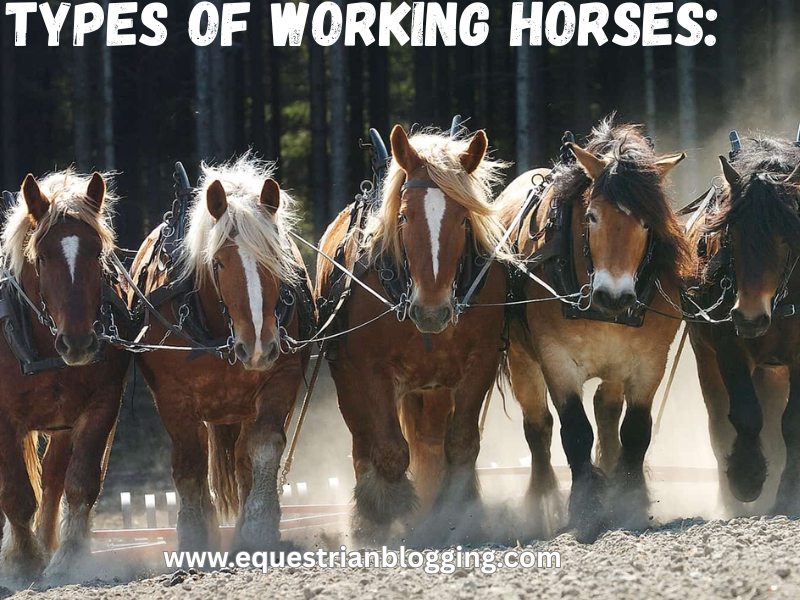
1. Draft Horses (Heavy Working Horses)
Draft horses are the strongest type of working horses. They are built for pulling heavy loads over long periods.
Common Draft Horse Breeds:
- Clydesdale
- Percheron
- Belgian Draft
- Shire
- Types of Working Horses
Typical Uses:
- Plowing fields
- Pulling wagons and carts
- Logging and timber work
- Heavy farm labor
Key Traits:
- Massive size and muscle
- Calm and gentle temperament
- Incredible pulling power
Draft horses are still used today in eco-friendly farming and logging because they cause less soil damage than heavy machinery. working horse breeds.

2. Farm Horses
Farm horses are used for general agricultural work and are often smaller and more agile than draft horses.
Typical Tasks:
- Plowing small farms
- Harvesting crops
- working horse breeds
- Transporting supplies
- Pulling light equipment
Popular Farm Horse Breeds:
- American Quarter Horse
- Morgan Horse
- Suffolk Punch
Farm horses are valued for their versatility, Types of Working Horses, making them ideal for mixed farm tasks.
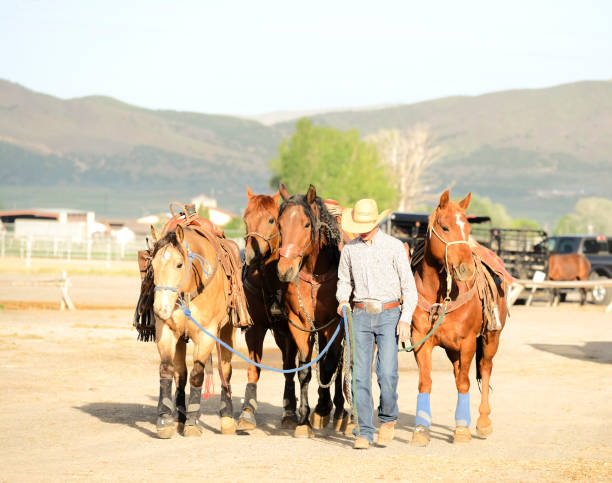
3. Ranch and Cattle Horses
Ranch horses are essential in cattle-producing regions, working horse breeds, especially in the western United States.
What They Do:
- Herd cattle
- Assist in branding
- Patrol large ranch lands
- Sort livestock
Popular Ranch Horse Breeds:
- American Quarter Horse
- Mustang
- Paint Horse
- Appaloosa
Why They’re Effective:
- Quick reflexes
- Strong cow sense
- Excellent endurance
- High intelligence
Quarter Horses are considered the most popular working ranch horse in the USA.
4. Carriage and Driving Horses
These working horses are trained to pull carriages, wagons, and carts, often in urban or tourist environments.
Common Uses:
- Horse-drawn carriages
- City transport
- Wedding and event carriages
- Historical reenactments
Common Breeds:
- Hackney Horse
- Friesian
- Morgan Horse
They must be calm, obedient, and comfortable around traffic and crowds.
5. Police and Military Horses
Mounted police units rely on horses for crowd control and patrol work.
Roles Include:
- Crowd management
- Public event security
- Urban patrols
- Riot control
Ideal Breeds:
- Percheron
- Belgian
- Hanoverian
- Thoroughbred crosses
These horses are trained to remain calm in stressful, noisy environments.
6. Therapy and Assistance Horses
Some working horses serve in emotional, mental, and physical therapy programs.
Used For:
- PTSD therapy (especially veterans)
- Autism support
- Physical rehabilitation
- Emotional support programs
Best Traits:
- Gentle temperament
- High emotional intelligence
- Calm behavior
Common Breeds:
- Mustang
- Quarter Horse
- Morgan
These horses help people heal emotionally and mentally.
7. Logging Horses
Logging horses are used to pull logs out of forests in an environmentally friendly way.
Why Horses Are Used:
- Minimal environmental damage
- Access to narrow forest paths
- Reduced soil erosion
Popular Breeds:
- Belgian Draft
- Percheron
- Ardennes
This method is still used in sustainable forestry operations.
8. Mining and Industrial Horses (Historical)
In the past, horses were essential in mines and factories.
Their Roles:
- Pulling carts underground
- Transporting coal and materials
- Factory power systems
Although rare today, these horses played a critical role in industrial development.
9. Military and War Horses (Historical and Modern Ceremonial)
Horses were once the backbone of military operations.
Used For:
- Cavalry units
- Transporting equipment
- Scouting missions
Today, horses are still used in ceremonial military roles and patrol duties in certain terrains.
10. Delivery and Urban Working Horses
In some cities, horses are still used for:
- Delivering goods
- Pulling commercial wagons
- Tourist services
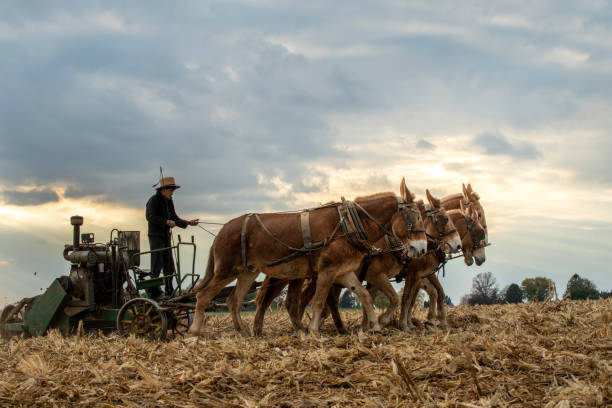
Amish and Mennonite communities in the USA still rely heavily on working horses for daily transportation.
Comparison Table: Types of Working Horses
| Type | Main Use | Strength Level | Speed |
|---|---|---|---|
| Draft Horses | Heavy pulling | Very High | Low |
| Farm Horses | Agriculture | Medium | Medium |
| Ranch Horses | Herding | Medium | High |
| Carriage Horses | Transport | Medium | Medium |
| Police Horses | Law enforcement | High | Medium |
| Therapy Horses | Assistance | Low | Low |
| Logging Horses | Forestry | Very High | Low |
Why Working Horses Are Still Important Today
Despite modern machinery, working horses remain valuable because they:
- Reduce environmental impact
- Require less fuel
- Provide sustainable labor
- Create strong human-animal bonds
- Support traditional lifestyles
Many industries are rediscovering horses as eco-friendly alternatives.
Advantages of Working Horses
- Highly adaptable
- Long working lifespan
- Cost-effective in rural settings
- Strong work ethic
- Excellent endurance
Challenges of Using Working Horses
- Require daily care
- Training takes time
- Limited work speed
- Dependence on skilled handlers
However, for many people, the benefits outweigh the challenges.
Conclusion
There are many types of working horses, each suited to specific tasks—from heavy draft horses pulling logs to agile ranch horses herding cattle and gentle therapy horses helping people heal.
Working horses continue to play an essential role in agriculture, law enforcement, therapy, and sustainable industries. Their strength, intelligence, and loyalty make them irreplaceable partners in many forms of human labor.
As technology evolves, working horses remain a powerful reminder that nature and tradition still have an important place in modern life.