

Vasculitis in horses refers to inflammation of the blood vessel walls. Reduction of inflammation through anti-inflammatory medications, such as glucocorticoids like prednisone or methylprednisolone, is the usual first-line treatment for relieving symptoms.
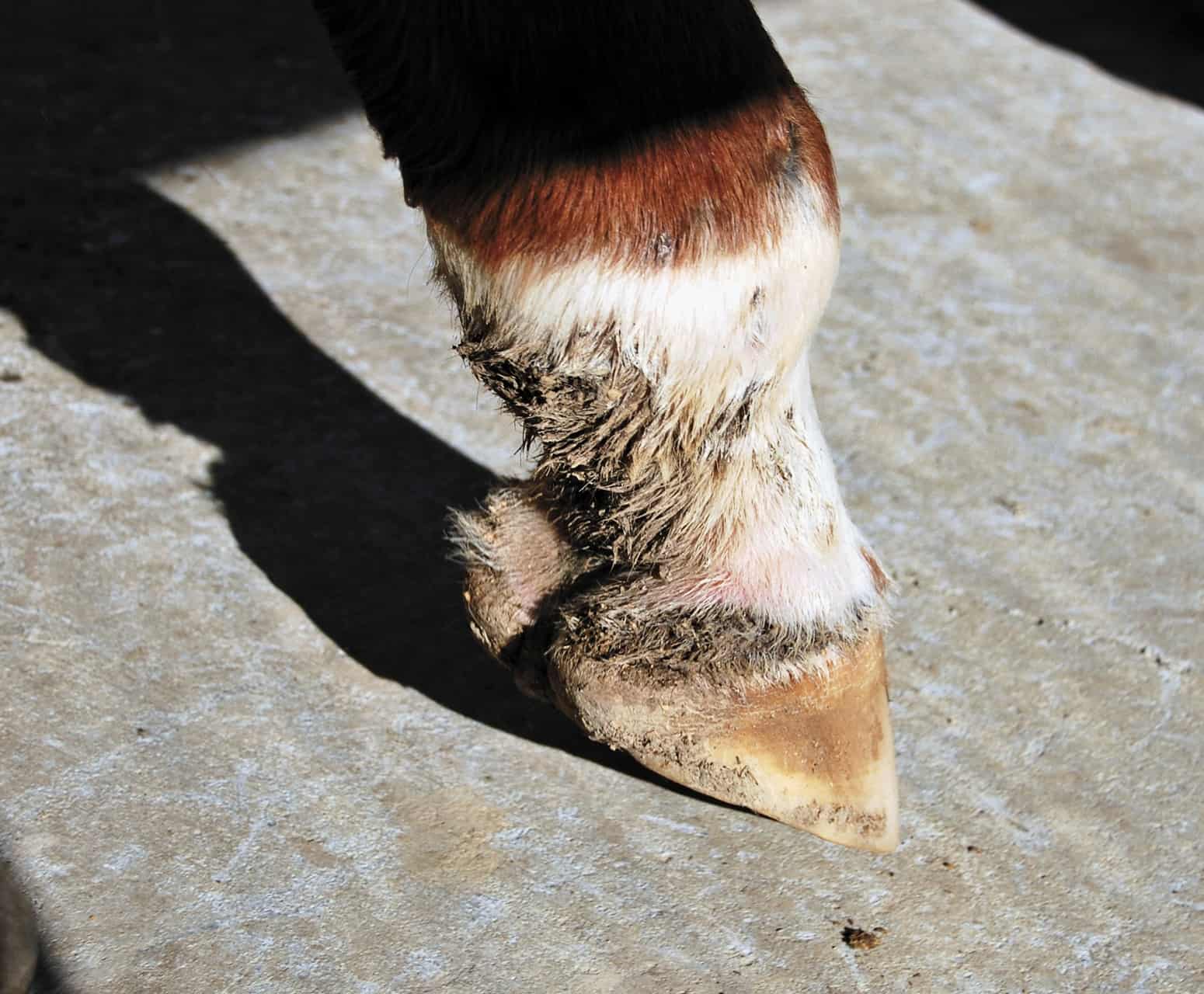
Lesions from leukocytoclastic vasculitis are typically found on unpigmented legs, with white skin developing an oozing discharge and circular crusts. Cases on colored skin can result in hair loss and scaling. Hypersensitivity vasculitis often resolves over time but may recur in some individuals, requiring further examination for systemic vasculitis.
Vasculitis in horses can be secondary to local infections caused by bacteria, fungus, or viruses, leading to inflammatory spread and fluid leakage. The condition is characterized by the inflammation of blood vessel walls, and its treatment requires anti-inflammatory medications.
Understanding Vasculitis In Horses
Vasculitis in horses is a condition characterized by inflammation of the blood vessel walls. It can occur for various reasons and understanding the underlying causes is crucial in preventing and managing this condition. Here are some common causes of vasculitis in horses:
- Infections: Localized infections caused by bacteria, fungi, or viruses can trigger inflammation in the blood vessels, leading to vasculitis.
- Allergic reactions: Horses may develop vasculitis as a result of hypersensitivity or allergic reactions to certain substances.
- Autoimmune disorders: In some cases, the horse’s immune system may mistakenly attack its own blood vessels, causing vasculitis.
- Physical trauma: Injury or trauma to the blood vessels can also lead to inflammation and the development of vasculitis.
Vasculitis can present with a range of symptoms in horses. It is essential to be aware of these signs to identify and address the condition promptly. Here are some common symptoms of vasculitis in horses:
- Swelling: Horses with vasculitis may experience swelling in their limbs, face, or other affected areas.
- Lesions and skin abnormalities: Skin lesions, crusts, and hair loss can be observed in areas affected by vasculitis.
- Lameness: In severe cases, horses may exhibit lameness or difficulty in moving due to the effects of vasculitis on their limbs.
- Discharge or oozing: Horses with vasculitis may develop a discharge or oozing from the affected areas of their skin.
- Pain and discomfort: Vasculitis can cause horses to experience pain, discomfort, or sensitivity in the affected areas.
It is important to note that the severity and specific symptoms of vasculitis can vary depending on the underlying cause and individual horse. If you suspect your horse may have vasculitis, it is advised to consult with a veterinarian for a proper diagnosis and appropriate treatment plan.
Diagnosing Vasculitis In Horses
Vasculitis in horses can be diagnosed through a combination of clinical signs, physical examination, and diagnostic tests like blood work, skin biopsies, and imaging studies. Common symptoms include skin lesions, lameness, and fever. Early detection and treatment are crucial for managing the condition and preventing long-term complications.
Physical Examination
During the diagnostic process for vasculitis in horses, a thorough physical examination will be conducted by a veterinarian. This examination aims to assess the horse’s overall health and look for any visible symptoms that may indicate the presence of vasculitis. The veterinarian will carefully observe the horse’s skin, paying attention to any abnormalities such as lesions, ulcers, or swelling. The presence of these signs can help in confirming the diagnosis of vasculitis. Additionally, the veterinarian may examine the horse’s legs and joints, as vasculitis can often affect these areas.Laboratory Tests
In order to confirm the diagnosis of vasculitis in horses, laboratory tests will be necessary. These tests help to determine if there are any underlying causes of the condition and rule out other possible diseases with similar symptoms. Blood tests may be conducted to assess the horse’s overall health and identify any abnormalities in blood cell counts or organ function. A complete blood count (CBC) can provide valuable information about the horse’s immune system and detect any signs of infection or inflammation. Additionally, specific tests such as skin biopsies and cultures may be performed to further investigate the presence of vasculitis. These tests can help to identify the type and severity of vasculitis present in the horse, allowing for appropriate treatment to be administered. In conclusion, diagnosing vasculitis in horses requires a comprehensive approach that involves both a physical examination and laboratory tests. By carefully assessing the horse’s physical appearance and conducting necessary tests, veterinarians can accurately diagnose vasculitis and provide appropriate treatment for the condition.Treating Vasculitis In Horses
Sure! Here’s an HTML-formatted section of a blog post about treating vasculitis in horses: “`htmlWhen it comes to treating vasculitis in horses, it’s essential to address the condition promptly and effectively. The treatment approach focuses on managing inflammation and preventing potential complications that may arise. By utilizing anti-inflammatory medications and effectively managing complications, veterinarians can improve the well-being of horses affected by vasculitis.
Anti-inflammatory Medications
Horses suffering from vasculitis often benefit from the use of anti-inflammatory medications. Glucocorticoids such as prednisone or methylprednisolone are commonly prescribed as first-line treatments to reduce inflammation. These medications play a crucial role in alleviating the symptoms associated with vasculitis, promoting the healing of affected blood vessels.
Management Of Complications
Efficient management of complications is vital in ensuring comprehensive care for horses with vasculitis. Monitoring for potential leukocytoclastic vasculitis lesions, particularly on the unpigmented legs, is essential to prevent progression and promote healing. Additionally, addressing any underlying infections promptly can help prevent the spread of inflammation to the blood vessels.
“` I hope you find this helpful! Let me know if you need any further assistance!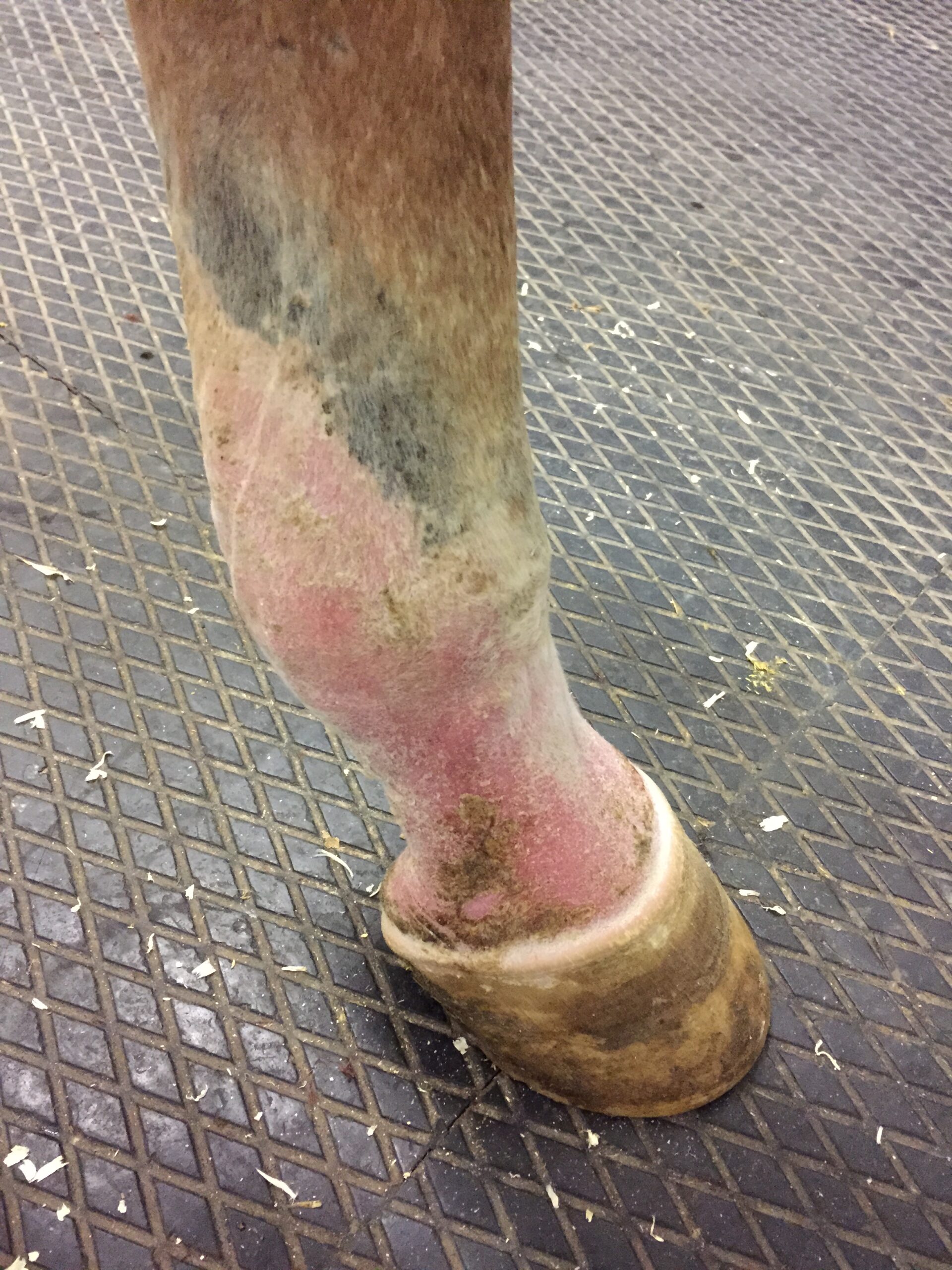
Credit: www.veterinary-practice.com
Preventing Vasculitis In Horses
Preventing vasculitis in horses is crucial to maintaining their health and well-being. By implementing appropriate measures, you can significantly reduce the risk of this inflammatory condition developing.
Environmental Management
- Ensure clean and hygienic living conditions
- Regularly inspect pastures for potential irritants
- Provide shelter from extreme weather conditions
Vaccination Protocols
- Follow recommended vaccination schedules
- Consult with your veterinarian for appropriate vaccines
- Monitor vaccine reactions and seek prompt veterinary care if needed
Vasculitis Research And Future Prospects
Vasculitis in horses is a condition characterized by inflammation of blood vessel walls. It can result in lesions on the skin, hair loss, and scaling. Treatment usually involves reducing inflammation with anti-inflammatory medications like glucocorticoids.
Vasculitis in horses poses significant challenges, but ongoing research efforts are paving the way for promising future prospects in understanding and treating this condition. Current research endeavors focus on unraveling the intricate mechanisms of vasculitis development and progression in equine populations.Current Research Efforts
The equine medical community is actively involved in advancing our knowledge of vasculitis through innovative research initiatives. Researchers are exploring various aspects of vasculitis, including its underlying causes, risk factors, and potential diagnostic markers. By delving deeper into the pathophysiology of vasculitis in horses, scientists strive to develop more effective treatment strategies and preventive measures.Novel Treatment Approaches
In addition to ongoing research, novel treatment approaches are being investigated to address vasculitis in horses comprehensively. These innovative strategies aim to target the root causes of vasculitis, alleviate symptoms, and improve the quality of life for affected horses. By exploring alternative therapies and cutting-edge interventions, veterinarians seek to revolutionize the management of vasculitis in equine patients. Emerging therapies and advanced diagnostic tools offer hope for better outcomes in horses suffering from vasculitis. As the field of equine medicine continues to evolve, the future looks promising for enhanced understanding, early detection, and personalized treatment options for horses affected by vasculitis.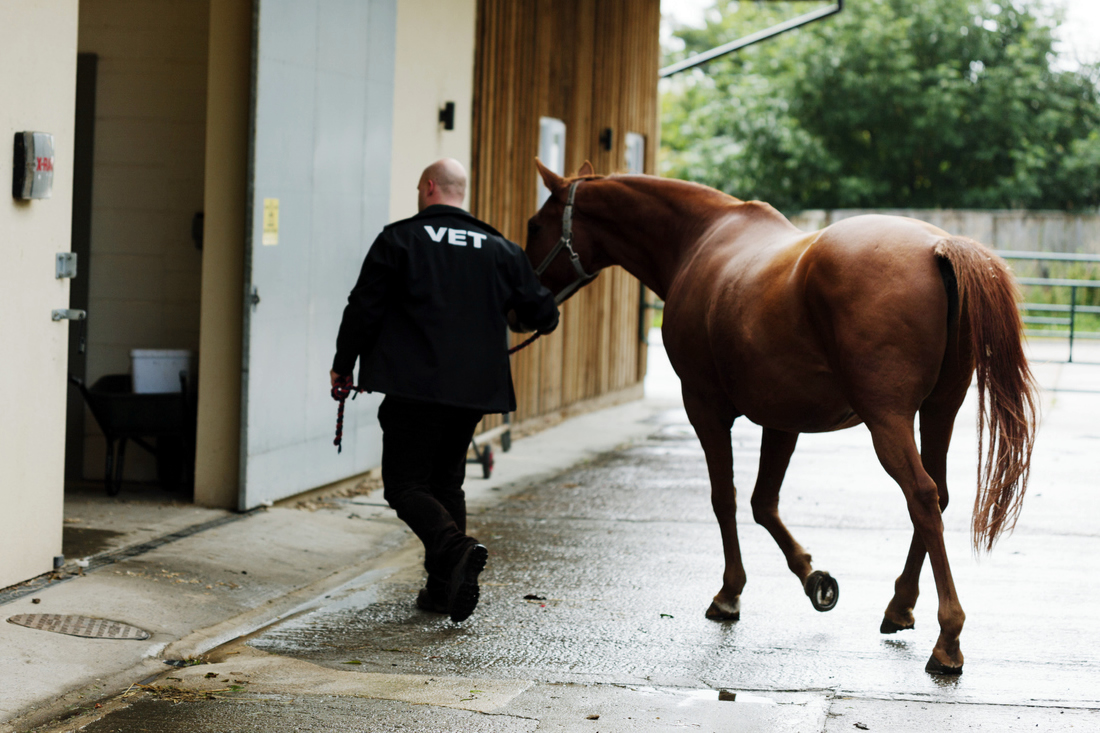
Credit: madbarn.com
Credit: thehorse.com
Frequently Asked Questions For Vasculitis In Horses
What Is The Best Treatment For Vasculitis?
The best treatment for vasculitis is to reduce inflammation. This is typically done using anti-inflammatory medications like glucocorticoids (e. g. , prednisone or methylprednisolone). These medications are commonly used as a first-line treatment.
What Is Leukocytosis Vasculitis In Horses?
Leukocytosis vasculitis in horses is an inflammation of blood vessel walls, resulting in lesions on legs, causing discharge and crusts. It mainly affects adult horses and can lead to hair loss and scaling. Treatment may involve managing underlying conditions and topical therapies.
Can Vasculitis Go Away On Its Own?
Vasculitis can go away over time, especially hypersensitivity vasculitis, but it may recur in some cases.
How Do You Treat Pastern Leukocytoclastic Vasculitis?
To treat pastern leukocytoclastic vasculitis, use anti-inflammatory medications like prednisone or methylprednisolone to reduce inflammation.
Conclusion
Understanding and treating vasculitis in horses is crucial for their overall health. By recognizing the symptoms and seeking appropriate treatment, horse owners can help manage this condition effectively. Consulting with a veterinarian and implementing the recommended treatment plan can improve the quality of life for horses suffering from vasculitis.